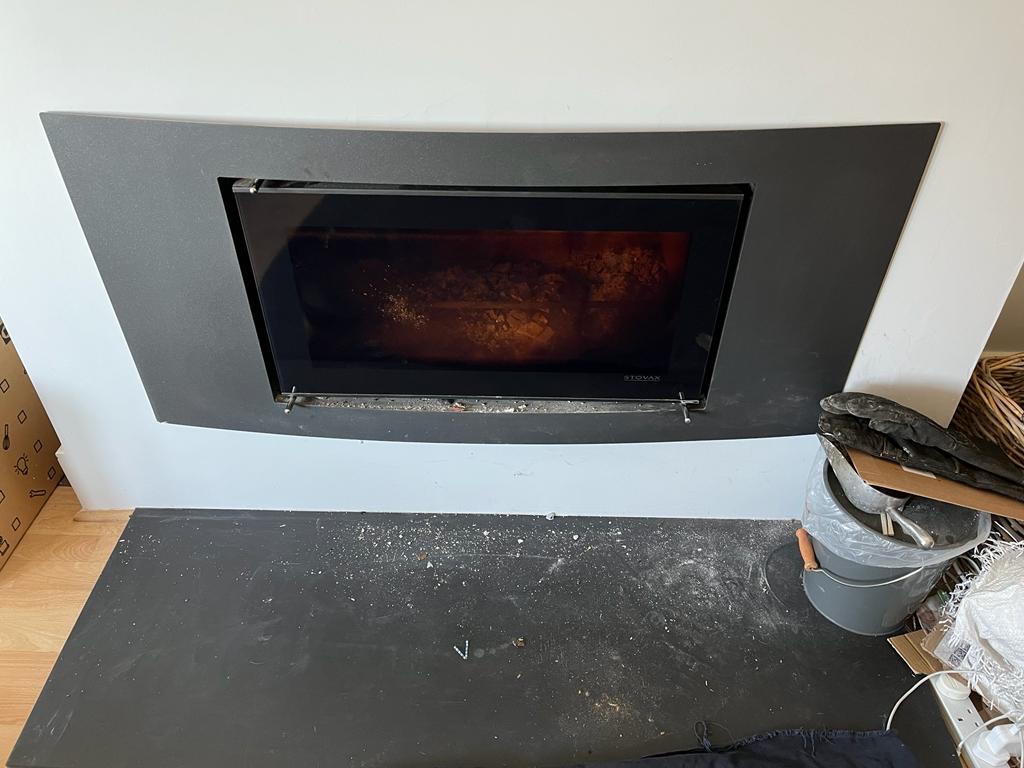
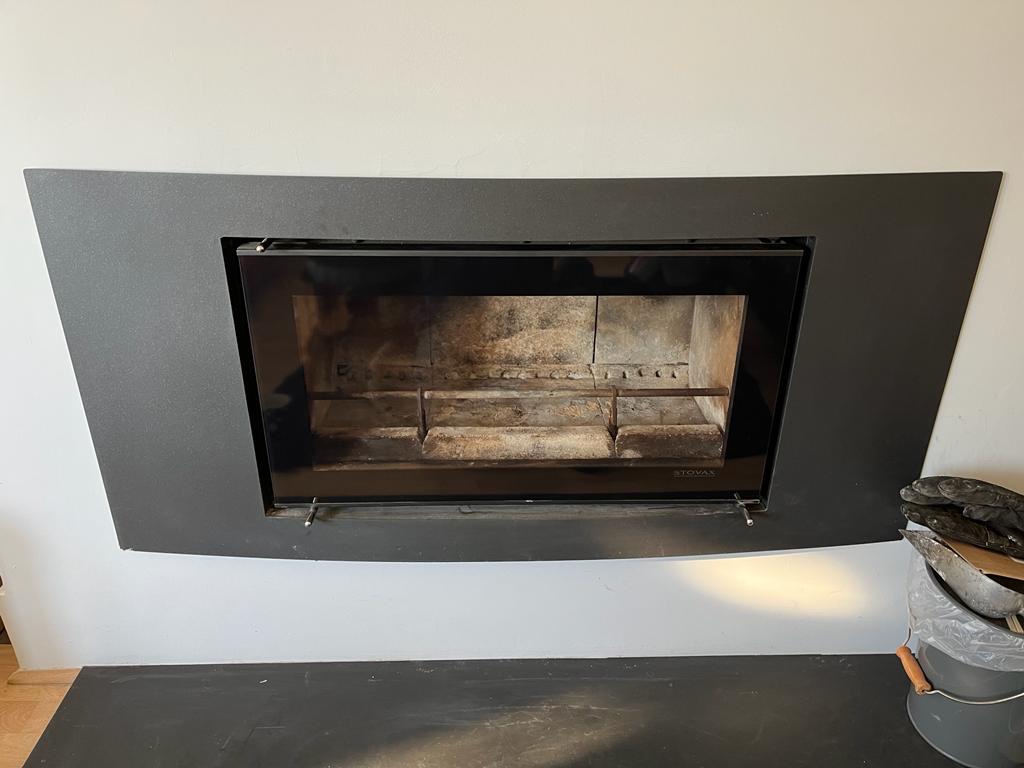
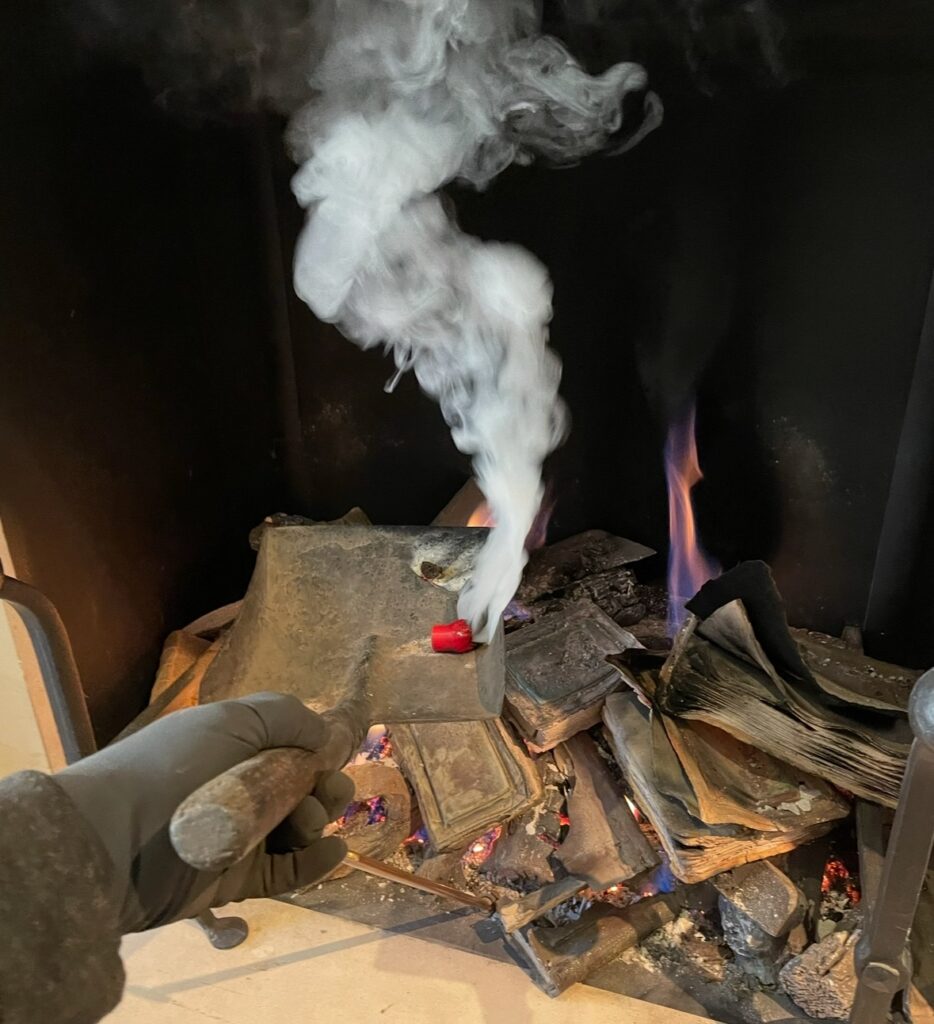
At Home Sweep Home, we know how important it is to keep your stove looking its best and operating efficiently. While a regular chimney sweep is crucial for safety and performance (and can indirectly help keep the glass cleaner!), sometimes the glass needs a little extra attention.
Before we dive into how to clean it, let’s talk about why it gets dirty in the first place.
Understanding the Grime: Why Your Stove Glass Gets Black
That black coating on your stove glass is primarily soot and, in more stubborn cases, creosote.
- Soot: This is made up of fine carbon particles that are a byproduct of incomplete combustion. When wood or fuel burns, it releases gases and particles. If the fire isn’t hot enough or doesn’t have enough air, these particles don’t burn completely and are carried upwards with the smoke.
- Condensation: The stove glass is often one of the cooler surfaces inside the firebox, especially when the fire is just starting or burning slowly. As the hot, particle-laden smoke hits the relatively cooler glass, the gases and moisture in the smoke condense onto it, allowing the soot particles to stick.
- Creosote: This is a more advanced stage of buildup. Creosote forms when smoke condenses at temperatures between 100°C and 250°C (212°F and 482°F). It’s a tar-like, sticky substance that hardens over time and is much harder to remove than simple soot. It’s also highly flammable and a major cause of chimney fires.
Fine, powdery soot is usually relatively easy to wipe away when the stove is cold. The hard, flaky, or tar-like creosote requires more effort.
Now, let’s look at some methods you can use to tackle that dirty glass.
Important Safety First!
- ALWAYS ensure your stove is completely cold before attempting any cleaning. This is crucial for your safety and prevents damaging the glass or your hands.
- Protect your surrounding hearth and flooring with newspaper or dust sheets, as cleaning can be messy.
- Gather all your supplies before you start.
- Ensure good ventilation, especially when using chemical cleaners.
Cleaning Methods: Step-by-Step Guides
Here are a few different ways to clean your stove glass, ranging from natural remedies to dedicated products.
Option 1: The Traditional – Newspaper and Ash
This is a tried-and-true method that uses readily available materials and works surprisingly well on lighter soot buildup. The ash provides a gentle abrasive, while the damp newspaper helps lift and contain the grime.
Suitable For: Light to moderate soot buildup.
Materials Needed:
- Cold wood ash from your stove (ensure no hot embers!)
- Old newspaper
- Small amount of water
- Clean, dry rag or paper towels
How to Do It:
- Prepare: Dip a piece of crumpled newspaper into a small amount of water, just enough to make it damp, not soaking wet.
- Dip in Ash: Dip the damp newspaper into the cold wood ash. You want a light coating of ash on the paper.
- Rub the Glass: Gently rub the ash-covered newspaper onto the dirty areas of the glass in circular motions. You should start to see the soot lifting away.
- Re-Apply: As the paper gets dirty or dries out, re-dampen it and dip into the ash again. Repeat rubbing as needed.
- Wipe Clean: Once most of the grime is gone, use a clean, dry piece of newspaper or a rag to wipe away the ash residue and polish the glass.
- Repeat: For tougher spots, you may need to repeat the process.
Option 2: The Gentle Abrasive – 0000 Grade Wire Wool
This method uses a very specific type of steel wool. It’s counter-intuitive, but 0000 grade steel wool is incredibly fine and designed not to scratch glass surfaces when used correctly.
Suitable For: Moderate to tougher creosote buildup.
Materials Needed:
- 0000 grade steel wool (Look for this specific grade on the packaging – coarser grades WILL scratch!)
- Optional: A small amount of water or a mild spray cleaner (check stove manufacturer’s recommendations first).
- Clean, dry rag or paper towels.
How to Do It:
- Prepare: Ensure your 0000 grade steel wool pad is ready. You can use it dry, or slightly dampen it with water (or a suitable spray if recommended).
- Gently Rub: Using light to moderate pressure, gently rub the soiled areas of the glass with the steel wool pad. Work in small sections. You should feel it lifting the grime.
- Check Progress: Periodically wipe away the loosened dirt with a dry rag to check your progress and ensure you’re not scratching the glass (which is unlikely with genuine 0000 grade, but always good to check).
- Continue: Repeat rubbing until the glass is clean.
- Final Wipe: Finish by wiping the glass clean with a dry rag or paper towel to remove any remaining residue.
Option 3: The Specialist – Dedicated Stove Glass Cleaner
Products specifically designed for stove glass are formulated to cut through soot and creosote effectively and safely for the glass. The linked Vitcas cleaner is a good example of this type of product.
Suitable For: All levels of buildup, especially stubborn creosote.
Materials Needed:
- Stove glass cleaner (e.g., Vitcas or similar)
- Paper towels or clean rags
- Gloves (recommended as these can be alkaline)
- Optional: Damp cloth for rinsing (check product instructions)
How to Do It:
- Prepare: Read the instructions on your specific cleaner. Ensure good ventilation. Wear gloves.
- Apply: Apply the cleaner directly to the cold glass surface. Many are sprays or gels.
- Allow to Work: Let the cleaner sit on the glass for the time recommended by the manufacturer (usually a few minutes) to allow it to penetrate the grime.
- Wipe Clean: Use paper towels or a clean rag to vigorously wipe away the cleaner and dissolved grime.
- Rinse (if needed): Some cleaners recommend a final wipe with a damp cloth to remove all residue. Check your product’s instructions.
- Dry: Wipe the glass dry with a clean rag.
Option 4: The Heavy Duty (Use with Extreme Caution) – Oven Cleaner
Oven cleaner can be very effective at dissolving stubborn creosote because it’s a powerful degreaser. HOWEVER, this method comes with significant risks and should be considered a last resort if other methods fail. Oven cleaner is highly caustic and can damage the stove’s paintwork, seals, and surrounding materials if not used extremely carefully.
Suitable For: Very heavy, hardened creosote. Use with extreme caution.
Materials Needed:
- Caustic oven cleaner (gel or spray)
- Heavy-duty gloves
- Eye protection
- Old newspaper or dust sheets to protect surrounding areas
- Plenty of paper towels or rags
- Clean damp cloths for rinsing
How to Do It (Use EXTREME Caution):
- Prepare: Ensure the stove is STONE COLD. Open windows and ensure maximum ventilation. Lay down newspaper/sheets to protect the floor, hearth, and sides of the stove. Put on gloves and eye protection.
- Apply Sparingly: Apply a small amount of oven cleaner ONLY to the glass surface using a cloth or by spraying very carefully to avoid drips onto metalwork or seals. DO NOT get it on the door seals, paintwork, or metal parts – it will cause damage.
- Short Contact Time: Allow the cleaner to sit for a very short time – just 5-10 minutes max initially. Do not let it dry on the glass.
- Aggressively Wipe & Rinse IMMEDIATELY: This is the crucial step. Use plenty of wet paper towels or rags to vigorously wipe away the cleaner and dissolved grime. The key is to remove ALL the chemical residue quickly.
- THOROUGHLY Rinse: Using clean, damp cloths, rinse the glass multiple times to ensure absolutely no chemical residue remains. Change cloths frequently. Any residue left can cause etching on the glass or release fumes when the stove is next used.
- Dry: Wipe the glass completely dry.
- Assess: If some grime remains, you can very carefully repeat the process with short contact times and thorough rinsing, but if it’s still not coming off, it might be safer to live with a little residue or consult your stove manual/manufacturer.
Keeping Your Glass Cleaner in the First Place
While cleaning is necessary sometimes, prevention is always better! Here’s how you can help keep your stove glass clearer:
- Burn Dry, Seasoned Fuel: Wet or “green” wood contains a lot of moisture. Burning it creates more smoke, lower temperatures, and significantly more creosote, which sticks readily to the glass. Always use wood that has been seasoned (dried) for at least 1-2 years or has a moisture content of less than 20% (you can check with a moisture meter).
- Proper Air Control – Utilise the Secondary Air (“Air Wash”): Most modern stoves have primary air (feeds the base of the fire) and secondary air (usually enters through vents above the door). The secondary air supply is often called the “air wash” because it creates a curtain of air that flows down the inside of the glass. This air helps keep the glass surface hotter and feeds air to burn off particles near the glass before they can condense. Ensure you are using your secondary air control correctly according to your stove’s manual, especially once the fire is established. Avoid “slumbering” the stove for extended periods with minimal air, as this promotes creosote formation.
- Burn Hot Enough: Aim for a lively, hot fire. A smouldering fire produces much more smoke and soot than a hot, efficient burn.
- Door Ajar (If Manufacturer Allows): Some stove manufacturers suggest leaving the stove door slightly ajar for the first 5-10 minutes after lighting (ensure you stay supervising!). This allows some of the initial smoky, moist air to escape up the chimney rather than condensing on the cold glass. ONLY do this if specifically recommended in your stove’s instruction manual.
- Stove Design: Be aware that some stove models are inherently better at keeping the glass clean than others, often due to superior air wash systems.
Need More Help?
Regular chimney sweeping is vital for the safe and efficient operation of your stove and can help reduce excessive soot and creosote buildup.
If your stove glass is consistently getting heavily fouled despite following these tips, it might indicate an issue with your burning practices, fuel, or potentially a chimney problem.
For a professional chimney sweep and advice on keeping your stove in top condition, contact us at Home Sweep Home. We can also offer a glass clean as part of our service.
Call us today on 07785563364
Or make an appointment online for a sweep and glass clean visit:
https://www.thelocalchimneysweep.co.uk/book-now/
Keep that glass sparkling and enjoy the view!