In this post, we’ll break down what smoke control areas are all about, the rules you need to follow, who decides where they are, and provide a helpful (but with a crucial caveat!) list of areas known to have these designations in England, organised by region.
What Exactly is a Smoke Control Area?
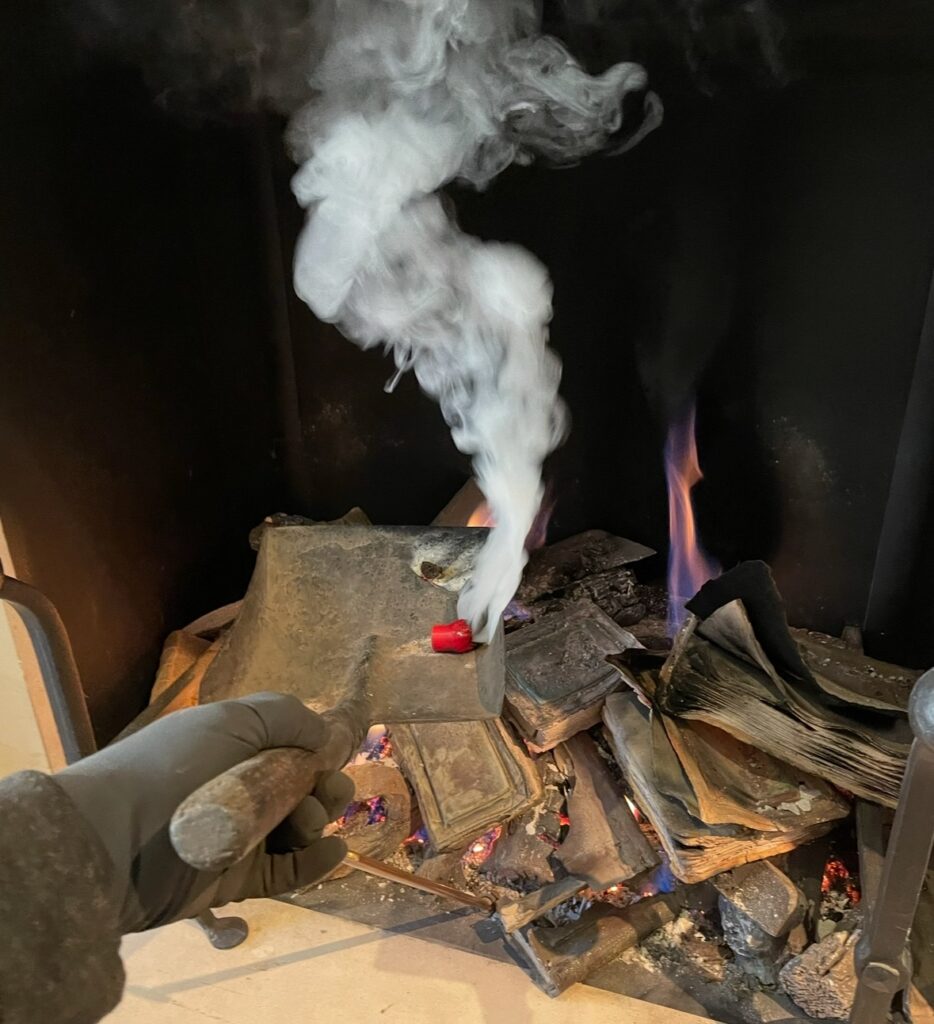
Think of a smoke control area as a special zone, legally designated to help keep the air cleaner. In these areas, there are restrictions on the amount of smoke you can let out from your chimney. This is primarily aimed at reducing pollution from things like domestic fires and boilers.
These zones have been around for a while, stemming from efforts to tackle serious air pollution incidents in the past. The goal is to improve the air we all breathe, especially in more built-up areas where smoke can have a bigger impact.
The Golden Rules of Smoke Control Areas
If you live in a smoke control area, there are a few key things you absolutely need to know:
- Minimise Smoke: The most fundamental rule is that you cannot emit a substantial amount of smoke from your chimney.
- Burn Authorised Fuels (Mostly!): In a smoke control area, you should generally only burn ‘authorised fuels’. These are typically fuels that produce very little smoke, such as:
- Anthracite
- Semi-anthracite
- Gas
- Electricity
- Certain low volatile steam coals
- Approved manufactured solid fuels (look for the ‘Ready to Burn’ logo!)
- Exempt Appliances: Your Exception: You can burn fuels like wood logs or other unauthorised fuels, BUT only if you are using an appliance (like a stove or boiler) that has been specifically exempted by the government (Defra). These ‘exempt appliances’ are designed to burn these fuels with minimal smoke. Always check the official list of exempt appliances and use the appliance according to its instructions with the correct fuel type.
Breaking these rules can lead to fines, so it’s really important to be aware and comply.
Who Decides on Smoke Control Areas?
The power to declare an area a smoke control zone rests with your local authority – the council for your town or district. They have the legal authority under the Clean Air Act to designate these areas based on local air quality needs. Your local council is also responsible for enforcing the rules within their designated zones.
So, Where Are the Smoke Control Areas in England?
This is where it gets a little tricky. While many areas across England have been designated as smoke control zones over the years, keeping a single, perfectly up-to-the-minute list for the entire country in a blog post is practically impossible. Local authorities manage these zones individually, and boundaries can be quite specific and can occasionally change.
However, based on available information from official sources at the time of writing, here is a list of some areas in England, grouped by region, that are known to have designated smoke control zones.
Important Disclaimer: This list is based on information available at a previous point in time and is NOT exhaustive or guaranteed to be currently accurate for all areas listed. The presence or absence of a location on this list should not be taken as definitive proof of its smoke control status. Boundaries can be complex and specific.
To be absolutely certain if your property is in a smoke control area, you MUST confirm with your local authority or use official government resources.
Areas Known to Have Designated Smoke Control Zones (Based on previous information – Subject to Change):
- East Midlands
- Amber Valley
- Ashfield
- Bassetlaw
- Bolsover
- Broxtowe
- Chesterfield
- Derby
- Gedling
- High Peak
- Hinckley and Bosworth
- Lincoln
- Mansfield
- Newark and Sherwood
- North East Derbyshire
- North Kesteven
- Northamptonshire (North and West)
- Nottingham
- Rushcliffe
- South Derbyshire
- South Kesteven
- West Lindsey
- East of England
- Bedford
- Brentwood
- Broxbourne
- Cambridge
- Dacorum
- Epping Forest
- Hertsmere
- Luton
- North Hertfordshire
- Norwich (Broadland)
- Peterborough
- Stevenage
- Thurrock
- Watford
- Greater London
- Barking and Dagenham
- Barnet
- Bromley
- Camden
- City of London
- Croydon
- Ealing
- Enfield
- Greenwich
- Hackney
- Hammersmith and Fulham
- Haringey
- Harrow
- Havering
- Hillingdon
- Hounslow
- Islington
- Kensington and Chelsea
- Kingston upon Thames
- Lambeth
- Lewisham
- Merton
- Redbridge
- Richmond upon Thames
- Southwark
- Sutton
- Tower Hamlets
- Waltham Forest
- Wandsworth
- Westminster
- North East
- County Durham
- Darlington
- Hartlepool
- Middlesbrough
- Newcastle upon Tyne
- North Tyneside
- Northumberland
- Redcar and Cleveland
- South Tyneside
- Stockton-on-Tees
- North West
- Allerdale
- Blackburn with Darwen
- Bolton
- Burnley
- Bury
- Carlisle
- Cheshire East
- Cheshire West and Chester
- Chorley
- Copeland
- Halton
- Hyndburn
- Knowsley
- Lancaster
- Liverpool
- Manchester
- Oldham
- Pendle
- Preston
- Ribble Valley
- Rossendale
- Sefton
- St. Helens
- Stockport
- Trafford
- Warrington
- West Lancashire
- Wigan
- Wirral
- South East
- Brighton and Hove
- Canterbury
- Elmbridge
- Gravesham
- Guildford
- Medway
- Milton Keynes
- Oxford
- Portsmouth
- Reading
- Sevenoaks
- Southampton
- Spelthorne
- Windsor and Maidenhead
- South West
- Bath and North East Somerset
- Bristol, City of
- Cheltenham
- Gloucester
- South Gloucestershire (including specific roads in Bradley Stoke, Filton, Little Stoke, Patchway, Stoke Gifford, Kingswood, and Hanham)
- West Midlands
- Birmingham
- Cannock Chase
- Coventry
- Dudley
- East Staffordshire
- Lichfield
- Newcastle-under-Lyme
- North Warwickshire
- Nuneaton and Bedworth
- Parts of Kidderminster
- Rugby
- Sandwell
- Shropshire
- Solihull
- South Staffordshire
- Staffordshire Moorlands
- Stoke-on-Trent
- Tamworth
- Telford and Wrekin
- Walsall
- Warwick
- Wolverhampton
- Worcester City
- Yorkshire and Humberside
- Barnsley
- Bradford
- Calderdale
- Craven (including parts of Skipton and South Craven)
- Doncaster
- Harrogate (including parts of Harrogate and Tockwith)
- Kingston upon Hull, City of
- Kirklees
- Leeds
- North Lincolnshire
- Selby
- Sheffield
- Wakefield
How to Be Sure About Your Location
Given that the list above is not exhaustive and can become outdated, the best ways to check if your specific address is in a smoke control area are:
- Contact Your Local Council: This is the most reliable method. Get in touch with their environmental health or services department, and they will be able to tell you definitively.
- Check the Defra Interactive Map: Defra provides an online map showing indicative smoke control areas in England. You can find it by searching for “Defra smoke control area map UK” online. Remember, this map is a guide, and it’s best to double-check with your local council.
Living in a smoke control area doesn’t mean you can’t have a fire or stove, but it does mean you need to be mindful of the rules and choose your fuel and appliance wisely. By doing so, you’re helping to create cleaner, healthier air for everyone in your community.
We hope this helps you understand smoke control areas a little better!