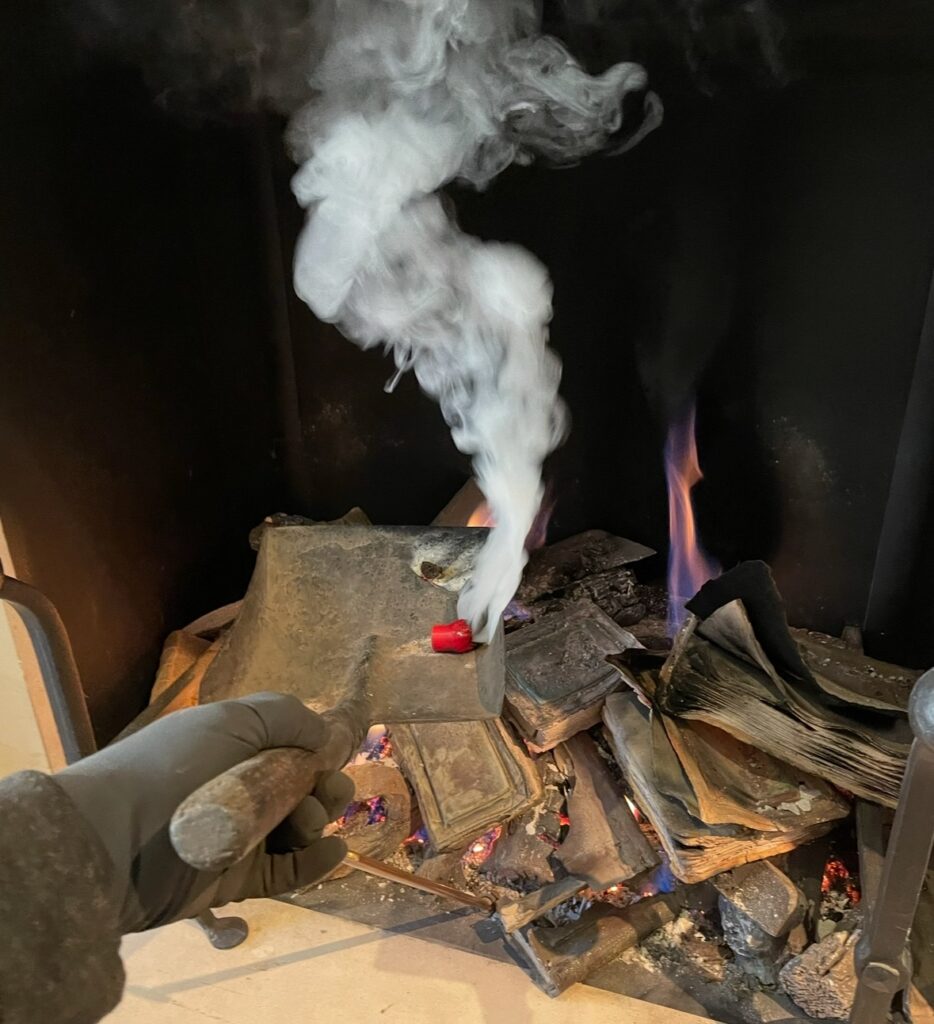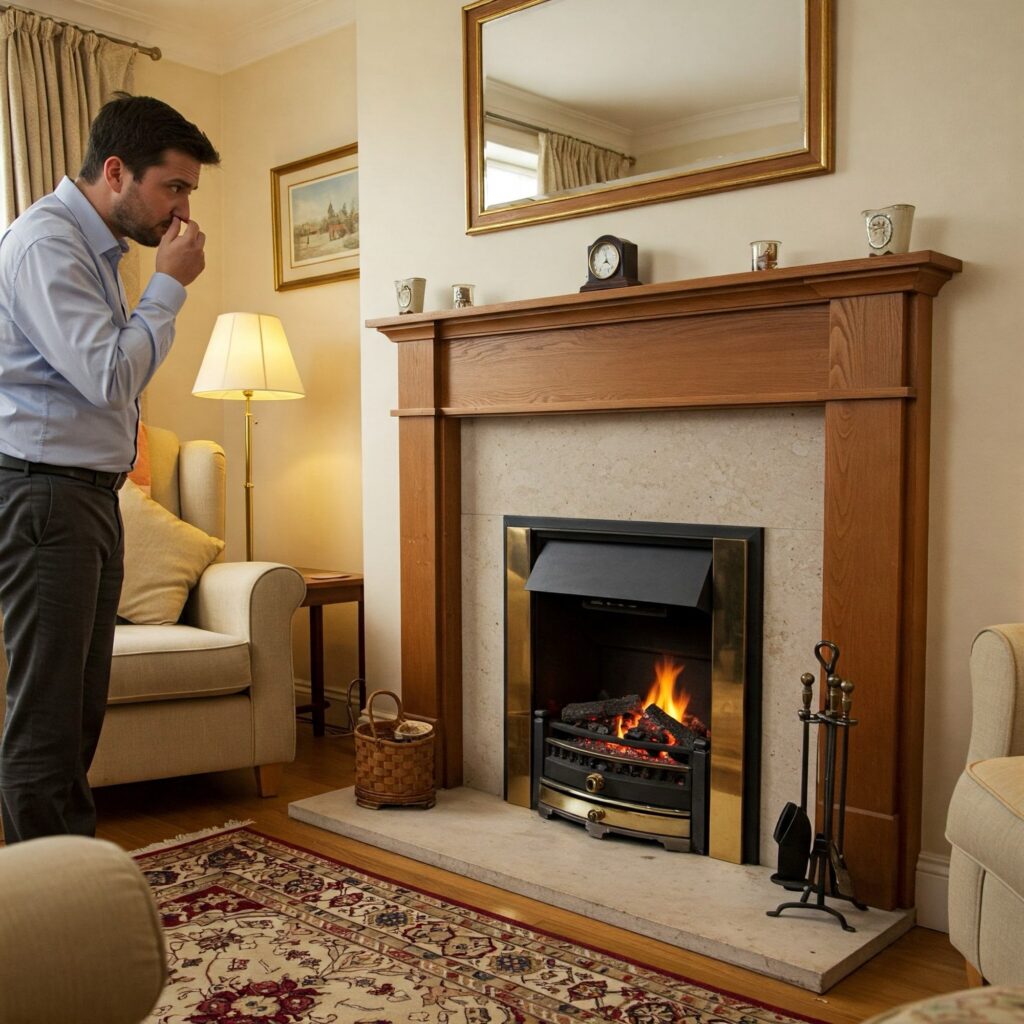
Is a strange or unpleasant smell wafting from your fireplace, even when there’s no fire lit? You’re not alone. Many homeowners experience puzzling fireplace odours, particularly during warmer weather or when the central heating isn’t in use. While the smell manifests in your living room at the fireplace, the source often lies within the chimney structure itself. Understanding the common culprits is the first step to resolving the issue and restoring fresh air to your home.
Common Causes of Fireplace Smells
- 1. Creosote Build-up: The Lingering Smell of Past FiresWhat it is: Every time you burn wood (or certain solid fuels), smoke travels up your chimney. This smoke contains unburnt particles and chemicals that condense onto the cooler flue lining, forming a tar-like, flammable substance called creosote.The Smell: Creosote has a distinctive, often unpleasant odour – typically described as smoky, acrid, or like old bonfire smoke or bitumen.Why it Smells Now: Changes in temperature and humidity significantly affect creosote odour. During warmer, damp British weather, the moisture in the air can amplify the smell. Similarly, when you close up the house, perhaps during summer, air pressure changes can draw these smells down the chimney and into your room via the fireplace opening. Even a small amount of creosote can produce a noticeable smell under the right conditions. Also, remember hot air rises and cold air sinks. If the air in your chimney is cooler than hot air outside, the smells will come down.
- 2. Negative Air Pressure: When Your House Pulls Smells InWhat it is: Modern homes are often built to be very airtight for energy efficiency. While good for heating bills, this can sometimes create negative air pressure inside. This means the air pressure indoors is lower than outdoors, causing air (and smells) to be sucked down the chimney through the fireplace, rather than flowing up and out. Running extractor fans (in the kitchen or bathroom), tumble dryers, or even just the way central heating systems draw air can exacerbate this effect. Older properties can also experience this due to specific draught patterns.The Effect: Instead of venting outwards, your chimney acts like a straw, pulling the creosote odours, damp smells, and any other chimney scents directly into your living area through the fireplace. This is often worse on warm, still days or when interior fans are operating.
- 3. Moisture and Dampness: The Musty CulpritWhat it is: Water ingress is a common chimney problem in the UK climate. Rain can enter through an uncapped chimney pot, damaged lead flashing around the chimney stack where it meets the roof, or cracked brickwork/mortar. This moisture gets absorbed by the chimney structure and any creosote present.The Smell: Dampness creates a classic musty, mouldy, or earthy odour. When moisture mixes with creosote, it can intensify the smoky/tarry smell and make it much more pervasive. Soot itself becomes smellier when wet.Why it Matters: Besides the smell, persistent damp can damage the chimney structure (spalling brickwork, damaged liners) over time, leading to costly repairs.
- 4. Debris and Blockages: Rotting MatterWhat it is: Leaves (especially during autumn), twigs, and nesting materials (from birds like pigeons or jackdaws, or squirrels) can accumulate inside the chimney flue, particularly if there isn’t a proper cap or cowl fitted.The Smell: As this organic material decomposes, particularly if it gets damp, it can produce a rotting, unpleasant odour that drifts down into the fireplace. A severe blockage also prevents other smells (like creosote) from venting properly, trapping them lower down.
- 5. The Unfortunate Case of Deceased AnimalsWhat it is: Sadly, birds, squirrels, or other small animals can sometimes fall or climb into a chimney and become trapped, eventually perishing.The Smell: This is perhaps the most pungent and unmistakable odour. A dead animal in the chimney or fireplace area produces a strong, deeply unpleasant decaying smell that will permeate the house. The smell is often persistent and gets worse before it (slowly) gets better if left unattended.Action Needed: This requires immediate attention. The source needs to be located and professionally removed, followed by cleaning and deodorising. Attempting removal yourself can be difficult and potentially hazardous.
How to Solve Fireplace Smell Problems
- 1. Professional Chimney Sweeping: This is the most crucial step. Regular cleaning by a certified, registered chimney sweep (look for associations like HETAS, APICS or NCSSA) removes creosote build-up and minor debris – the primary sources of many smells. They can also identify potential issues during the sweep.
- 2. Install a Chimney Cap/Cowl: This essential accessory prevents rain, birds, squirrels, and debris from entering your chimney flue, tackling dampness, blockages, and the risk of trapped animals. Ensure it’s suitable for your fuel type.
- 3. Address Air Pressure Issues: If negative pressure is suspected, improving ventilation might help. Sometimes simply cracking open a window near the fireplace when smells are noticed can temporarily alleviate it. A ventilation specialist or knowledgeable sweep can assess airflow and suggest solutions.
- 4. Inspect for and Repair Damp: Check flashing, brickwork/render, mortar joints, and the chimney crown for damage. Engaging a roofer or chimney specialist to repair leaks is vital to stop musty smells and prevent structural damage.
- 5. Professional Removal: If you suspect a deceased animal or significant blockage, call a professional chimney service or specialist wildlife removal expert.
Call Us Today if you Have a Smelly Fireplace
An unpleasant smell emanating from your fireplace or chimney is usually a sign that something within your chimney system needs attention. From common creosote build-up and dampness prevalent in the UK climate, to downdraughts or even unfortunate wildlife incidents, identifying the likely cause is key. Regular maintenance, particularly professional chimney sweeping by a registered expert and the installation of a suitable chimney cowl, is your best defence against fireplace odours and ensures your chimney operates safely and efficiently when you do want to use it. If smells persist, don’t hesitate to contact a certified chimney professional for an inspection.