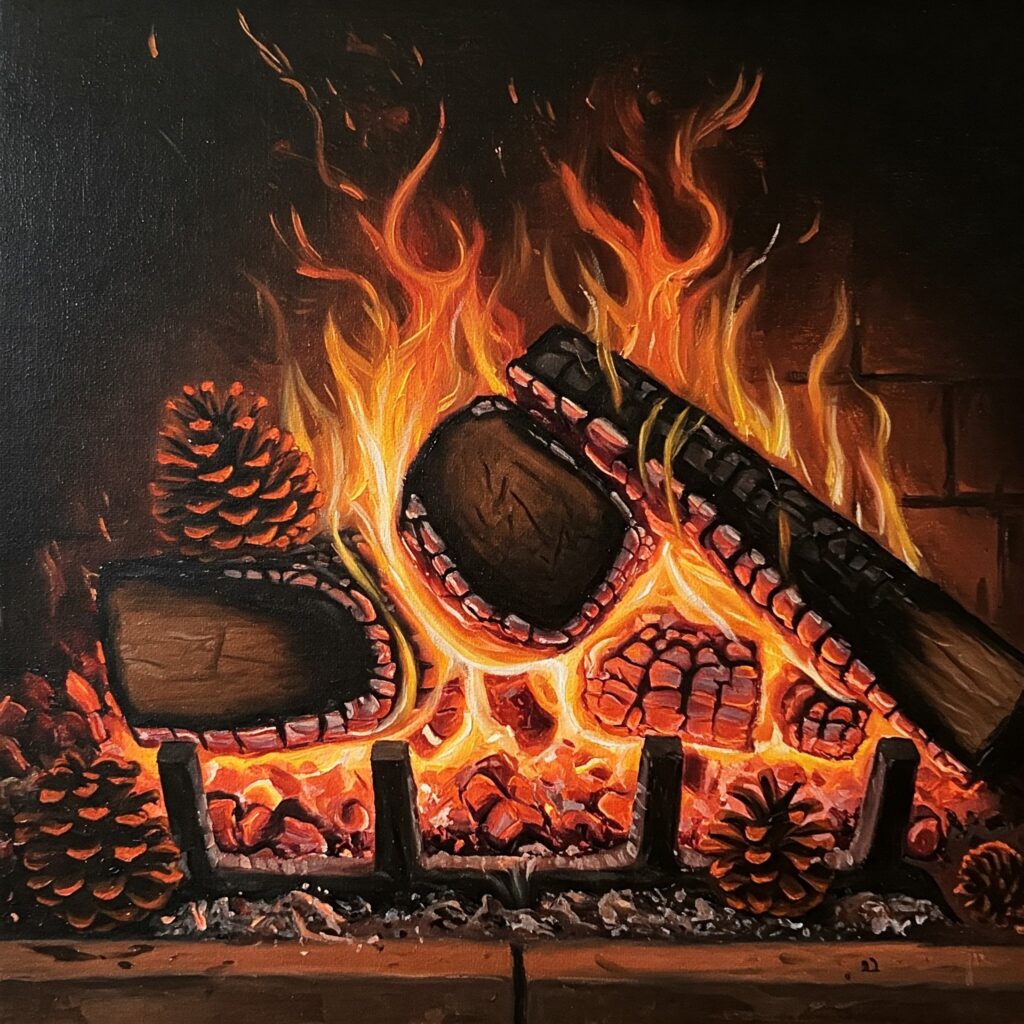
The crackle of a fire, the warm glow against a winter’s night – it’s a timeless comfort. For many, pine wood seems like an easily accessible and readily available fuel source. However, burning pine in a wood burner requires a bit more understanding than simply tossing a log in and lighting it up. The unique properties of pine, particularly its high resin content, can lead to increased tar and creosote production, posing potential fire hazards. Let’s delve into what you need to know before you burn pine in your fireplace.
The Resinous Reality of Burning Pine on a Wood Burner or Fireplace
Pine, like other softwoods, is rich in resin. This resin is a complex mixture of organic compounds, primarily terpenes (like pinene and limonene) and rosin (a blend of resin acids). These compounds are highly volatile and flammable, contributing to pine’s distinctive aroma and rapid burning. Whilst this might seem appealing for quickly starting a fire, it’s precisely this resin content that creates potential problems.
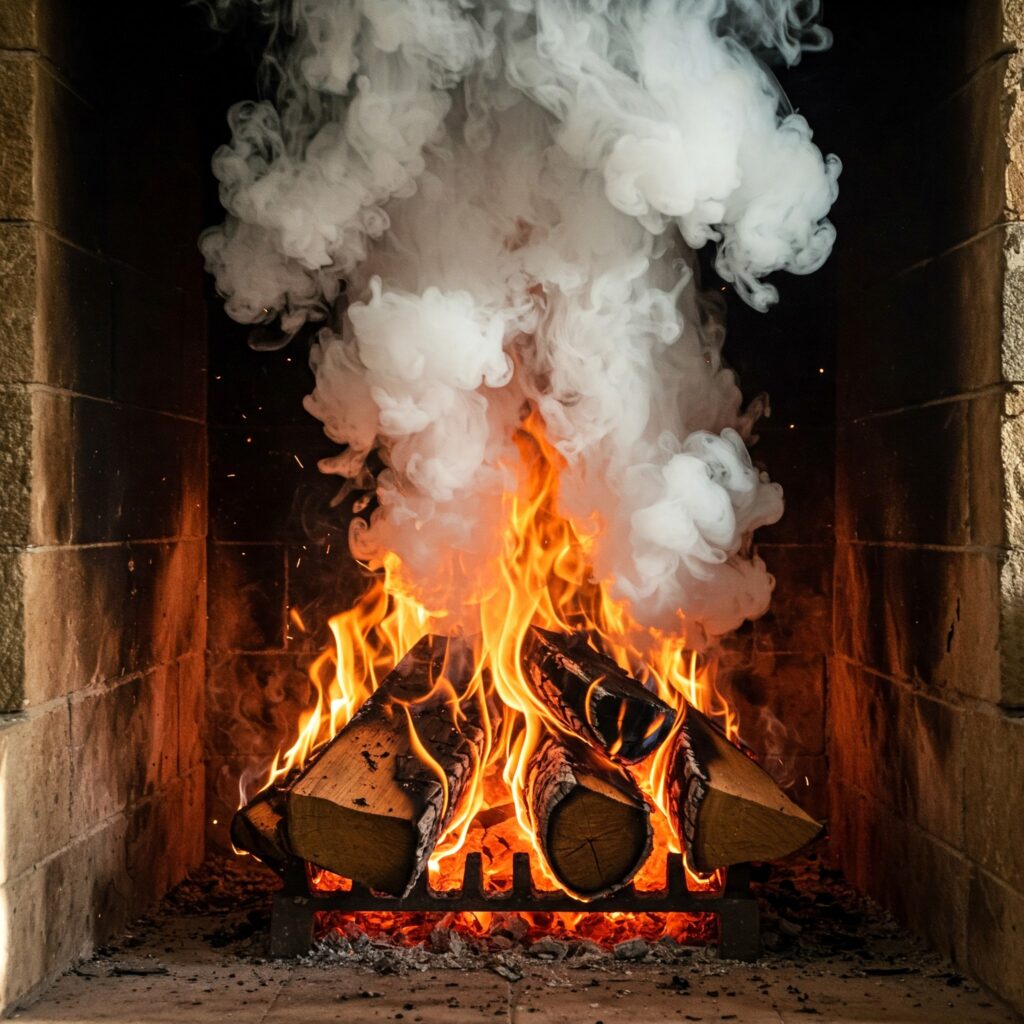
When pine is heated, the terpenes readily vaporise, releasing a significant amount of combustible gases. However, these gases often undergo incomplete combustion, especially at lower temperatures or when oxygen is limited. Unlike the gases produced from cellulose breakdown in hardwoods, resinous compounds tend to form heavier, sticky, and condensable by-products – the primary components of tar.
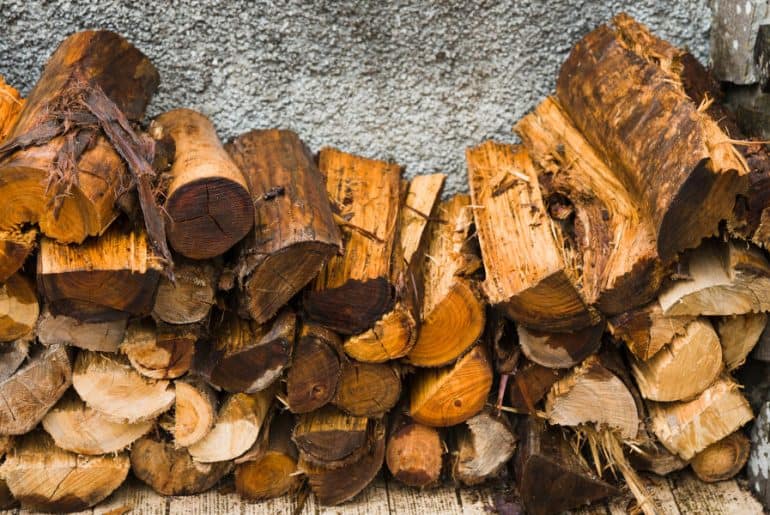
The Tar and Creosote Conundrum
The sticky nature of rosin and the condensation of terpenes lead to the rapid accumulation of creosote in your chimney and flue. Creosote is a tar-like substance that is highly flammable. Even a thin layer of creosote can ignite, potentially leading to a dangerous chimney fire.
The increased volatile load from pine’s resin content means more combustible material is being released during pyrolysis. If this material isn’t burned efficiently, it translates to more tar and, consequently, more creosote. This is why experienced fireplace users exercise caution when burning pine.
Factors Influencing Tar Production When Burning Pine in a Wood Burner or Fireplace
Several factors influence the amount of tar produced when burning pine:
- Incomplete Combustion: This is the primary culprit. When pine burns with insufficient oxygen, the volatile gases don’t fully oxidise, resulting in tar formation.
- Moisture Content: Wet pine exacerbates the problem. Water absorbs heat, lowering the combustion temperature and promoting incomplete combustion. The water vapour also interferes with the mixing of gases and oxygen.
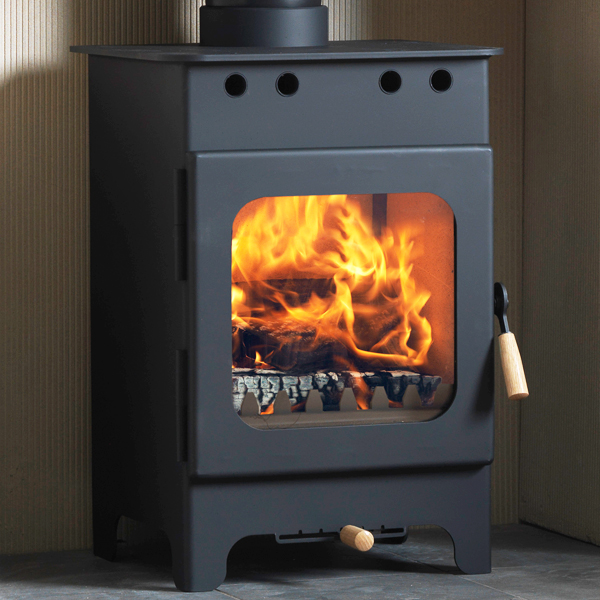
- Burner Design and Airflow: Inefficient fireplaces or stoves with poor airflow contribute to tar build-up. Modern wood stoves with secondary combustion systems are designed to re-burn these gases, significantly reducing tar.
Practical Tips for Burning Pine Safely
Despite the potential challenges, pine can be burned safely with proper precautions:
- Seasoned Wood is Key: Always use well-seasoned pine that has been dried for at least six to twelve months. This reduces moisture content and promotes cleaner burning.
- Hot, Well-Ventilated Fires: Burn pine in hot, well-ventilated fires to ensure complete combustion. Adequate airflow is crucial for oxidising the volatile gases.
- Mix with Hardwoods: Mixing pine with hardwoods like oak or maple can help improve combustion efficiency. Hardwoods maintain a sustained high temperature during their burn, creating an environment conducive to the complete combustion of gases released by pine. This sustained high temperature helps prevent the gases from cooling and condensing into creosote.
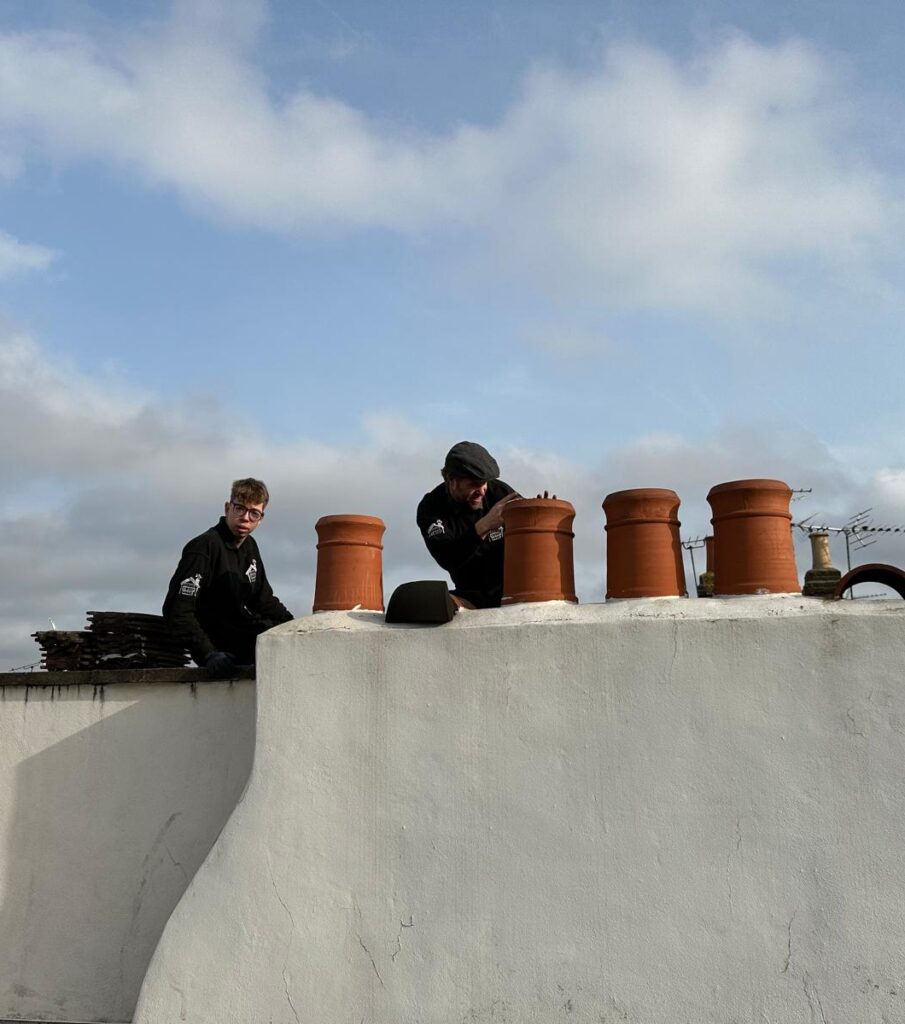
- Frequent Chimney Inspections and Cleaning: Burning pine necessitates more frequent chimney inspections and cleaning to prevent creosote build-up. A professional chimney sweep can remove creosote and ensure your chimney is safe.
- Smaller Loads: Burning smaller loads of pine at any given time, will help to keep the fire hot, and therefore burn more of the gases produced.
- Avoid Smouldering Fires: Smouldering fires produce far more creosote, than hot burning fires.