

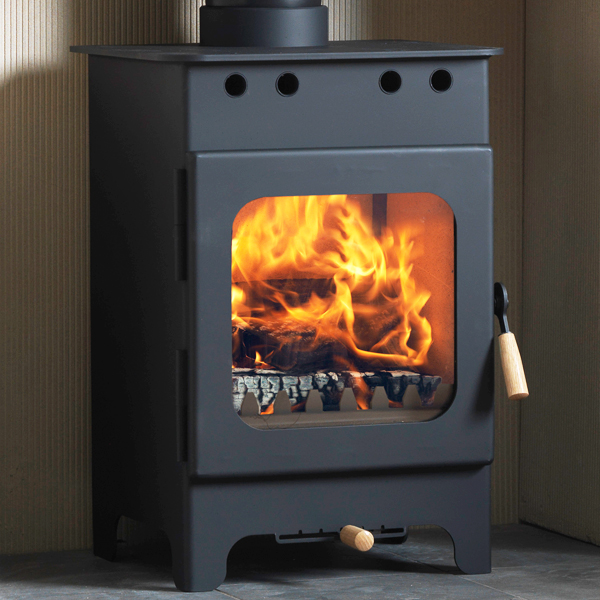
You’ve invested in a beautiful and efficient Burley wood burner, enjoying the warmth and ambiance it brings to your home. But recently, you’ve noticed a persistent cloudiness or what looks like fine scratches developing on the glass door, obscuring the mesmerising flames. You’re not alone! This is a common concern for wood burner owners, particularly with well-used stoves like those from Burley.
While you might instinctively reach for harsh cleaners or worry about the quality of the glass, the reason behind this cloudy film might be more nuanced than simple soot buildup. Let’s delve into the potential culprits, focusing on the often-overlooked role of wood ash.
The Alkaline Truth About Wood Ash

It’s important to understand that ash from burning wood is generally alkaline, not acidic. This is a crucial distinction from the issues we discussed with coal and anthracite, where acidic sulphur compounds can etch the glass. Wood ash is rich in compounds like calcium carbonate, potassium oxide, and other metal oxides, all of which contribute to a pH typically ranging from 10 to 13.
So, if wood ash isn’t acidic, why is my Burley stove glass cloudy?
The answer lies in a combination of the physical nature of fine ash particles and their chemical composition, interacting with the glass at high temperatures inside your Burley wood burner. Here’s how this can happen:
- The Swirling Dance of Ash: Within the combustion chamber of your Burley stove, the burning process creates airflow and turbulence. This causes fine, powdery ash particles to become airborne and swirl around with the hot flue gases.
- Repeated Micro-Abrasion: As these ash-laden gases make contact with the glass door, the tiny ash particles can act as a very gentle abrasive. Think of it like incredibly fine sandpaper being rubbed against the glass over time. While perhaps not the primary cause of persistent clouding, this repeated physical contact can contribute to surface imperfections.
- Chemical Reaction at High Temperatures (Alkali Attack): Crucially, wood ash is rich in alkali compounds (like potassium). At the intense operating temperatures reached inside your stove (often hundreds of degrees Celsius), these alkalis in the ash particles that land on the glass can chemically react with the silica in the glass surface itself. This chemical process, known as alkali attack, directly degrades the glass structure.
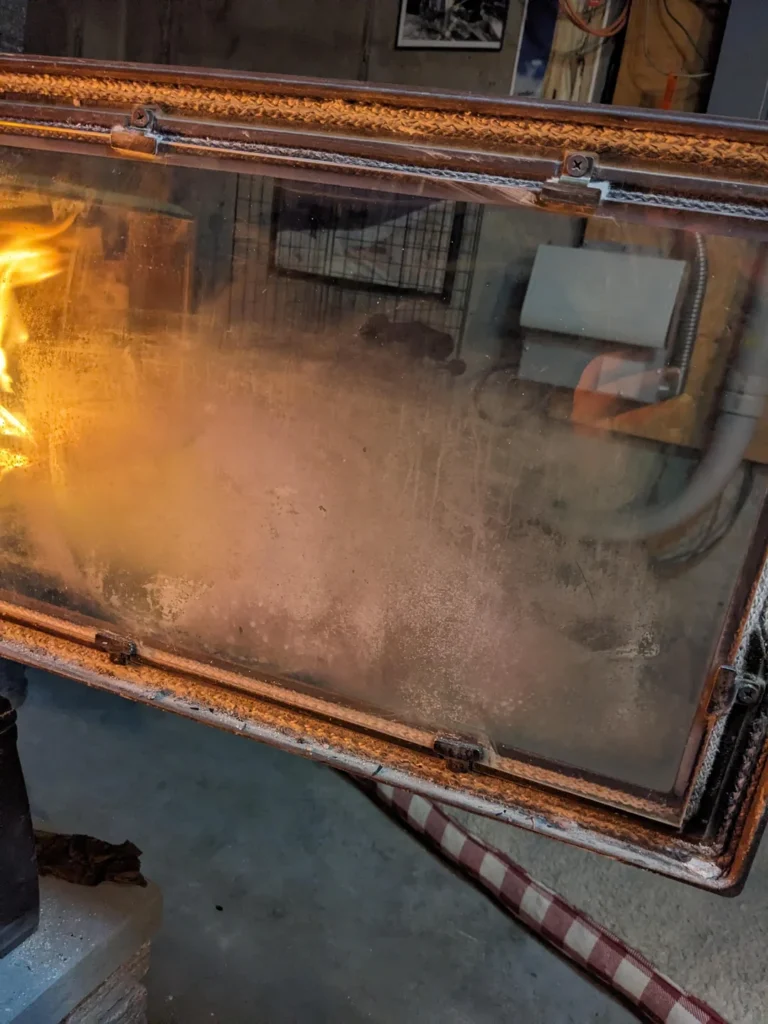
- The Result; Cloudy or Degraded Appearance: The combination of this chemical alkali attack (often the dominant factor in stubborn cloudiness) and potentially some subtle physical abrasion creates microscopic imperfections and actual surface degradation on the glass. These imperfections scatter light, leading to the persistent hazy or cloudy appearance you’re observing, which typically won’t wash off with standard cleaning methods because the glass surface itself has been altered.
Why Might This Be More Noticeable on My Burley Stove?
While this phenomenon can occur in any wood burner, there are potential reasons why you might be noticing it on your Burley stove:
- Efficient Design and Airflow: Burley stoves are known for their efficient design, which can sometimes create specific airflow patterns within the firebox that promote ash circulation.
- Burning Habits: The type of wood you burn, how often you reload, and your air control settings can all influence the amount of fine ash produced and how it moves within the stove. Burning unseasoned wood, for example, can lead to more ash production and less efficient combustion.
- Frequency of Use: If you use your Burley stove frequently, the cumulative effect of this mild abrasion will be more pronounced over time.
- Higher Temperatures in the Firebox: A Burley ‘fireball’ can create very high temperatures which increase the likelihood of alkali attack, and a turbulent environment, increasing the amount of alkaline ash in contact with the glass and the effect.
Protecting Your Burley Stove Glass and Maintaining Clarity:
While this type of cloudiness isn’t a sign of a major malfunction, you’ll want to keep your Burley stove glass clean for optimal viewing. Here’s what you can do:
- Burn Well-Seasoned Wood: Dry wood burns hotter and cleaner, producing less ash.
- Maintain Proper Airflow: Ensure you’re using the correct air controls for efficient combustion. This helps to minimise ash production and keep it moving up the flue.
- Regular Cleaning with Appropriate Products: Use a cleaner specifically designed for wood burner glass. These cleaners are formulated to remove soot and other deposits without scratching the surface. Avoid abrasive cleaners or harsh scrubbing.
- Gentle Cleaning Techniques: Use a soft cloth or paper towel for cleaning. Avoid excessive force.
- Consider the Type of Wood: Some woods produce more ash than others. Experimenting with different wood types might make a difference.
- Ensure Good Chimney Draft: A strong draft helps to draw ash particles up and out of the stove.
While wood ash is alkaline and doesn’t chemically etch the glass like acidic compounds, its fine particles can still contribute to a cloudy or seemingly scratched appearance on your Burley wood burner glass through gentle abrasion over time. By understanding this process and adopting good burning and maintenance practices, you can help keep the glass clear and continue to enjoy the captivating flames within your stove.

[…] If you primarily burn coal or anthracite, these fuels naturally contain small amounts of sulphur. Under ideal burning conditions – a roaring fire with plenty of air – this sulphur is usually converted into gases that are efficiently carried away up the chimney. However, significant problems arise when the fire isn’t getting properly hot, often leading to that frustrating hazy stove door (Click here if you don’t burn coal but have this problem) […]
Comments are closed.