

A pre installation chimney inspection is an essential service for installation of a new stove.
A basic chimney sweep or clean is invaluable; soot and debris remaining in a chimney, especially when a stainless steel flue liner is to be installed, can be a disaster waiting to happen.
The acid in the soot can rot the new liner from the outside in. Debris from nesting birds can cause chimney fires in the cavity and cause fumes to leak into adjacent flues or rooms.
However, sweeping the chimney is only one piece of the pre installation puzzle.
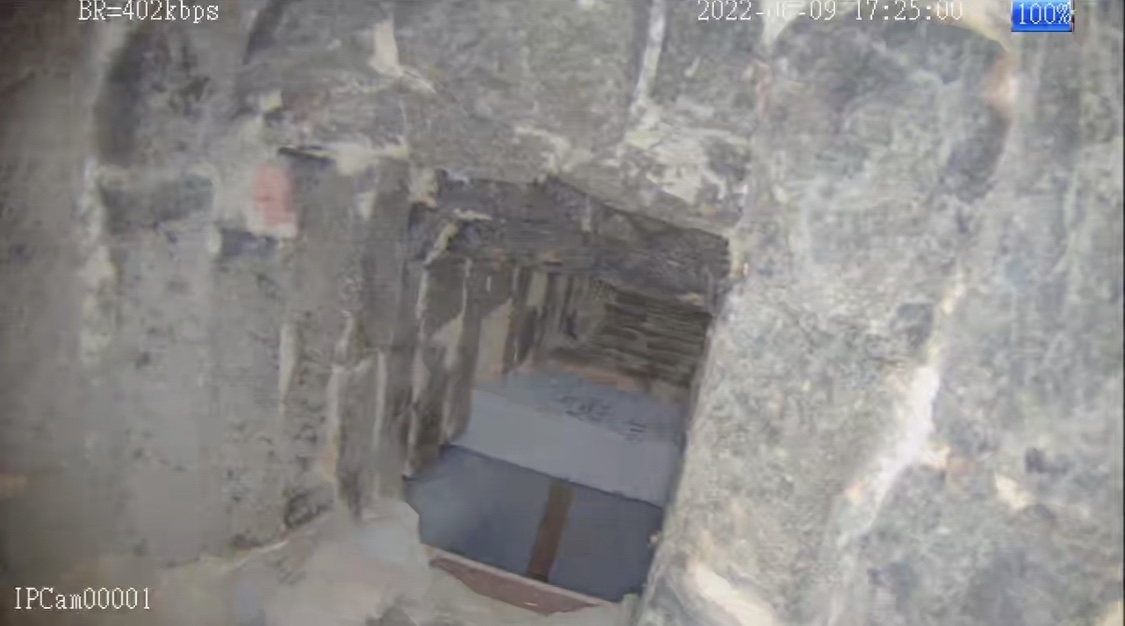
First thing to be sure of is, using internal camera inspection equipment, that a stainless steel chimney liner can actually safely be installed into your chimney. Are there sharp edges that could pierce your flue on installation? Are there large breaks into other chimneys that require urgent repair before installation of a liner? Are there combustible materials in the chimney such as joists in the attic – a common occurrence which can have catastrophic consequences – entering the chimney.
Equally important is a close up drone inspection of the condition of the chimney stack. All too often installers arrive on the day to install the flue, make their way on to the roof only to find the chimney stack requires repair before installation can take place.
This costs you money, money you haven’t necessarily budgeted for, and will delay the entire job. Stove installers, especially in the colder months, have a job booked every day for months in advance. If they arrive and unexpected work needs to be carried out, they could require different access such as scaffolding, different materials and an adjusted quote. When will they be able to get back to fit your stove?!
If you have a pre installation chimney inspection, the element of surprise is reduced to a minimum.

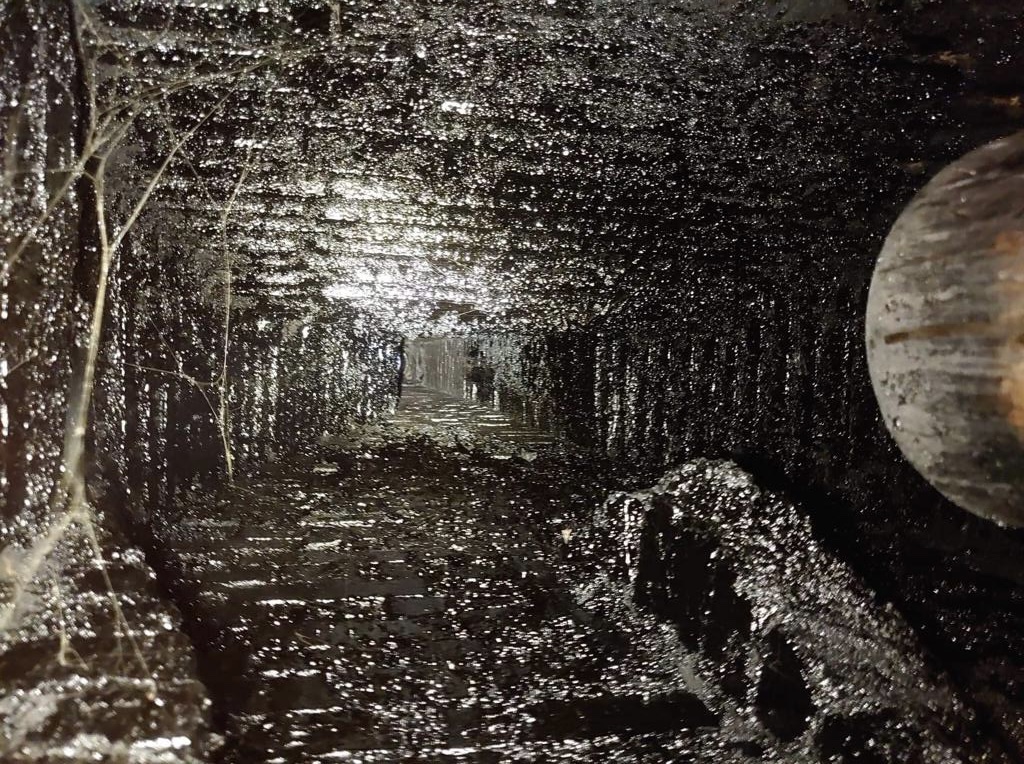
As well as this, there are other potential issues in chimneys that have previously had an open fire fitted. The main one is the presence of tar/creosote.
This substance tends to form mostly at the top of the chimney as it is a result of cooling flue gases/smoke. Unfortunately, creosote has a habit of catching fire when a flue liner abutting the tarry surface gets up to high temperatures.
If the tar in the chimney ignites outside of the liner, the entire liner MUST be removed and a new liner installed. Considering the flue liner is often the most expensive part of an installation, can you take that risk?
The worst thing about creosote is if you don’t see it with a camera, you don’t know if it is there. It sets so hard that when sweeping the chimney it often cannot be identified – it just feels like the brush it sweeping over concrete.
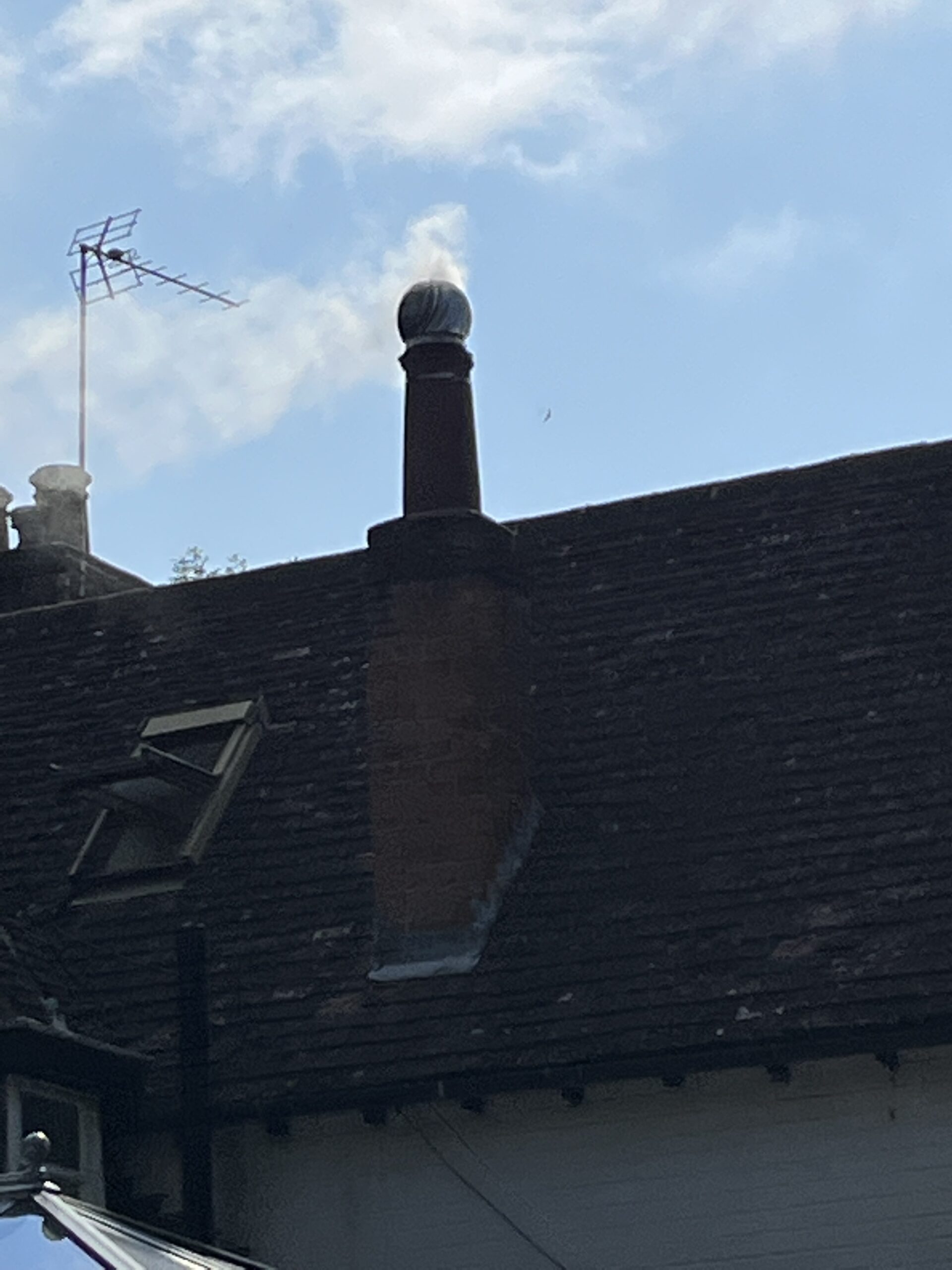
During the inspection we will pick up on intricacies such as whether the stack has a drip course, whether the flashing appears in good condtion, whether there are any foreign objects on the stack, whether the draught seems sufficient and even whether the chimney is far enough from roof windows to conform to ADJ of the Building Regulations.
Finally it is important to give your installer as many details as possible to allow them to offer the most accurate quote possible without any hidden surprises.
Upon completion of the inspection we will report on the chimneys length, cross section, flue construction, deposits removed, type of pot, condtion of the stack and much more.
As well as the above, images are attached to the report showing any defects we might have discovered.
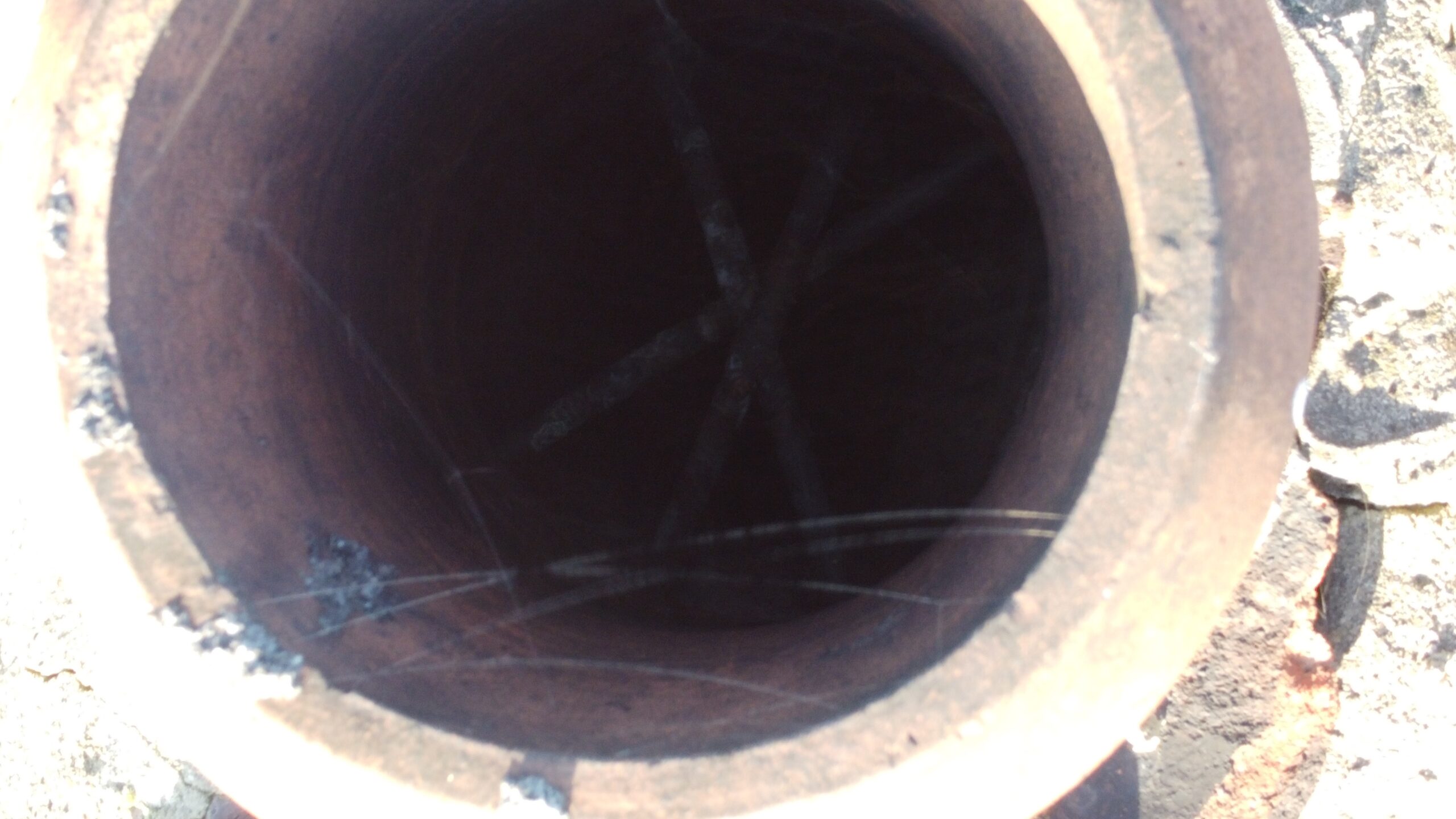
Sometimes there are simply things that nobody would have expected. As shown in the image above, it can be as simple as steel rods having been installed below the chimney pot. This required specialist cutting equipment to remove before installation of a flue.
What’s included in the inspection?
- Chimney sweep
- Internal chimney flue camera inspection
- External chimney stack drone inspection
- Draught test
- Inspection of the condtion of the stack
- Inspection of the condtion of pots and/or terminals for suitability and condtion
- Calculate the length of the chimney (so you know how much flue is necessary)
- Calculate the nominal cross section
- Take images of any offsets or protrusions
- Report all above information, as well as much more, in a digital report
- Share all relevant internal and external images
- Give advice on the next steps
If you’d like to book in to have a pre installation inspection inspection please fill in the form by clicking HERE! Be sure to select the option ‘inspection to have new fire fitted’ in the services tab.
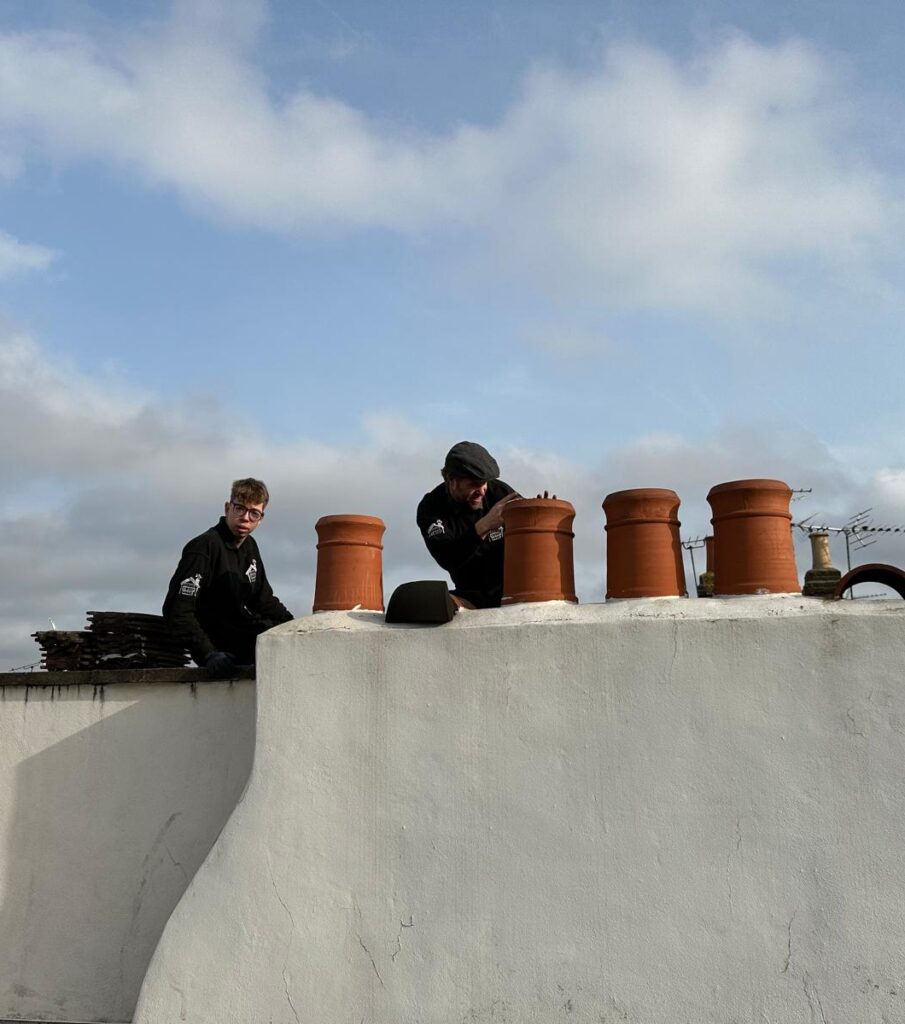
[…] Dreaming of a cosy fireplace to warm your home? Whether you’re opting for a gas or solid fuel fire, ensuring your chimney is in optimal condition before installation is paramount. At Home Sweep Home, we offer comprehensive pre-installation chimney inspections to provide you with valuable insights and ensure a safe, efficient fireplace experience. For pre installation inspections for stoves or woodburners click here. […]
[…] reason would be to check the chimney before a wood burner is installed. This would be to ensure the liner can be installed without damage, the chimney is big enough to […]
Comments are closed.