

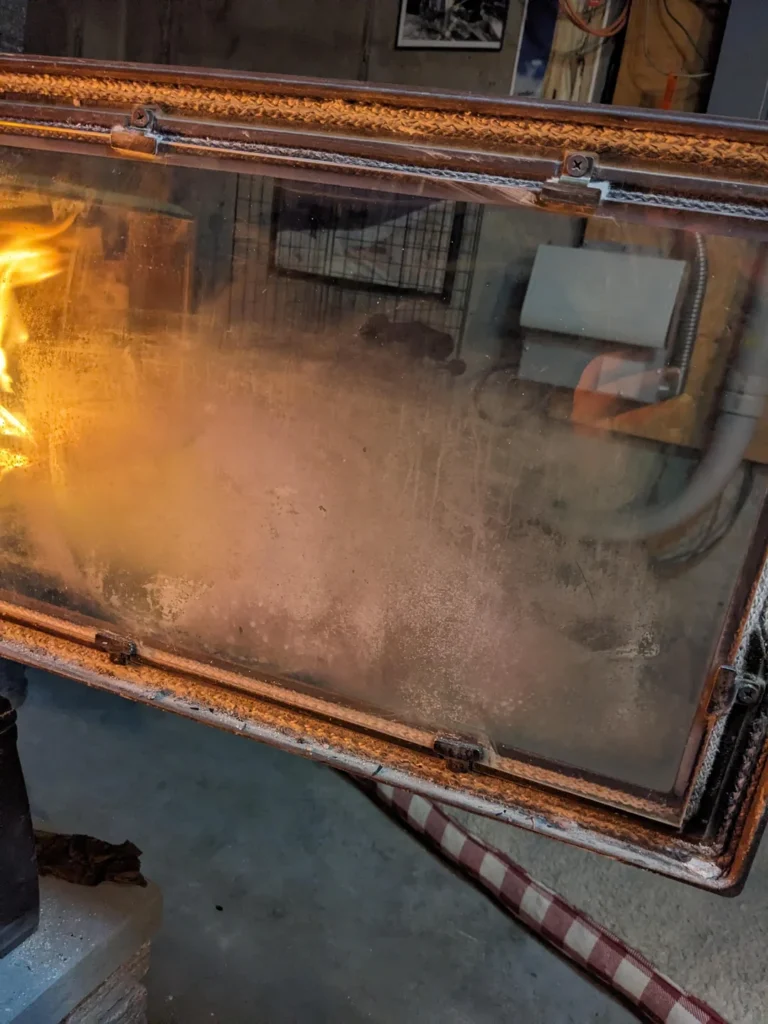
You’ve got a beautiful wood-burning or multi-fuel stove, radiating warmth and creating a cosy atmosphere in your home. But lately, the glass door has had increasingly cloudy stove glass, etched with what appear to be stubborn scratches. While you might be blaming soot or general grime or your cleaning technique, the real culprit could be something less obvious: acidic flue gases produced when your fire isn’t burning hot enough.
If you primarily burn coal or anthracite, these fuels naturally contain small amounts of sulphur. Under ideal burning conditions – a roaring fire with plenty of air – this sulphur is usually converted into gases that are efficiently carried away up the chimney. However, significant problems arise when the fire isn’t getting properly hot, often leading to that frustrating hazy stove door (Click here if you don’t burn coal but have this problem)

The Perfect Storm: A Slumbering Fire, Damp Fuel, and Acidic Attack
Here’s how not getting your fire hot enough, often exacerbated by damp fuel, can lead to etched stove glass on your appliance:
- Not Burning Hot Enough: The most important factor in preventing cloudy stove glass from sulphur is ensuring your fire burns hot enough for complete combustion. This means getting the fuel glowing red before you start to reduce the air supply for a longer burn. A lazy, smouldering fire is a recipe for trouble.
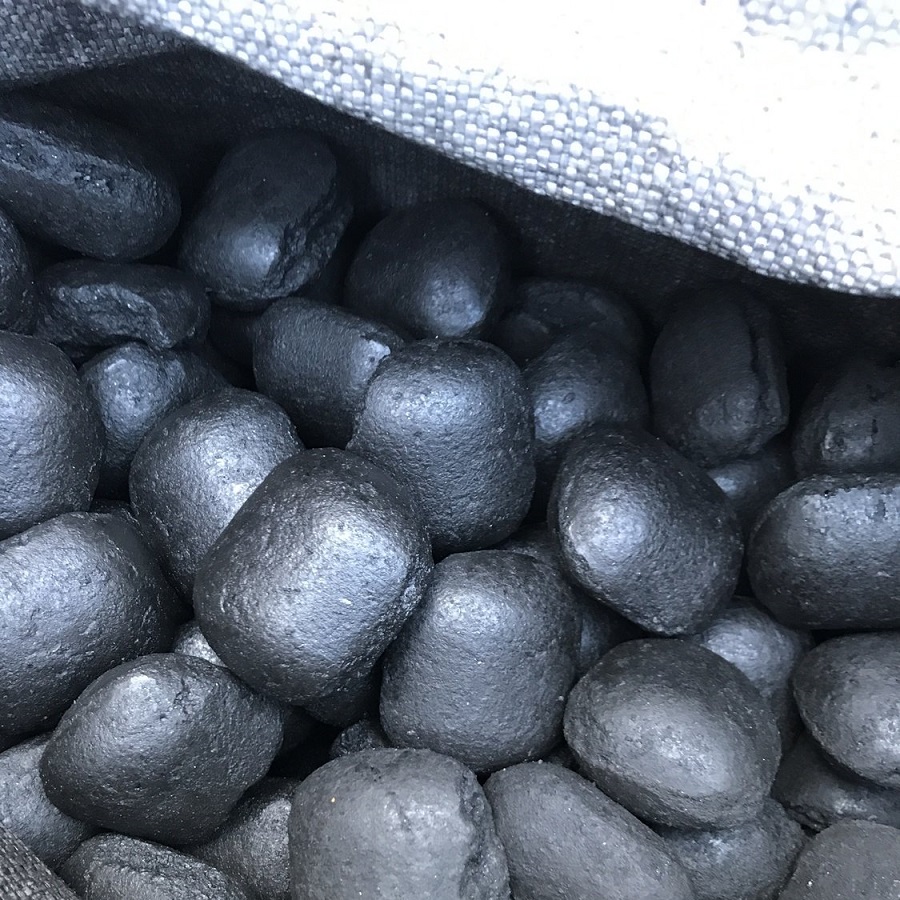
- Damp Fuel: Coal and anthracite can absorb significant amounts of moisture, especially if stored outdoors and exposed to the frequent rain we experience here in the UK. Many seasoned stove users understand the importance of drying out their fuel before burning it. Wet fuel steals heat from the firebox as it evaporates, preventing the high temperatures needed for clean burning.
- The Controversial Practice of Soaked Coal: In some instances, though less common now due to environmental concerns and a greater understanding of efficient burning, some older practices involved coal merchants wetting the coal. The rationale was often to reduce dust during handling and transportation. However, the downside for the end user is significantly reduced efficiency and a much higher risk of problems like cloudy stove glass.
- Restricted Airflow: Compounding the Issue: Closing down the air supply too early, before the fuel is properly established and glowing red, also leads to incomplete combustion. This lower temperature means the sulphur within the fuel doesn’t fully convert into harmless gases. Instead, it forms various sulphur-containing compounds that are more likely to condense.
- Condensation on the Glass: The Acidic Film Forms: The flue gases, now laden with incompletely combusted sulphur compounds and significant amounts of water vapour (especially from damp fuel), come into contact with the relatively cooler surface of the stove glass. This temperature difference causes condensation, leaving behind a thin film of acidic flue gas residue directly on the glass.
- The Chemical Attack: Etching the Surface: Just like acid rain can etch the surface of windows, this condensed moisture, now carrying dissolved sulphur compounds (including sulphurous and sulphuric acids), reacts chemically with the minerals in the glass. Over time, this mild but persistent chemical reaction dissolves a very thin layer of the glass surface, creating those hazy stove door marks and what appear to be fine scratches.
The Result: A Cloudy Obstruction to Your Flames
This chemical etching doesn’t create deep gouges. Instead, it forms microscopic pits and irregularities on the glass surface. These tiny imperfections scatter light, making the glass appear:
- Cloudy stove glass: Reducing the clarity and visibility of the fire.
- Streaky or marked: Often following the path of condensation.
- Difficult to clean completely: The etched surface remains cloudy even when clean.
Protecting Your Stove Glass: Prioritising a Hot Fire and Dry Fuel
Understanding the link between burning too cool, damp fuel, incomplete combustion, and acidic flue gases is key to preventing this etched stove glass issue:
- Burn Your Fire Hot Enough: This is paramount. Ensure you get a good, roaring fire going with the fuel glowing red before you start to adjust the air controls for a longer burn.
- Burn Properly Dried Fuel: Store your coal and anthracite under cover, away from rain and damp conditions. Allow it to dry out thoroughly before burning. For wood, ensure it is well-seasoned with a moisture content below 20%.
- Ensure Proper Airflow: Don’t starve your fire of air, especially in the initial stages. Adequate airflow supports hotter, cleaner combustion.
- Maintain a Good Chimney Draft: A strong draft helps to efficiently remove flue gases, minimising condensation on the glass.
- Clean Regularly and Correctly: Wipe the glass regularly with a cleaner specifically designed for stove glass. This helps to remove any acidic residue before it has a chance to etch the glass. Avoid abrasive cleaners or harsh scrubbing.
- Consider Fuel Quality: If you consistently experience etched stove glass even with a hot fire and what you believe is dry fuel, the sulphur content of your fuel might be higher. Consider trying a different source or type of fuel.
- Address Stove Issues: If you suspect poor draft or other operational problems, consult a professional stove installer or sweep to identify and rectify any underlying issues with your appliance.

Don’t let cloudy stove glass obscure the beauty of your fire. By prioritising a hot burn and using properly dried fuel, you can significantly reduce the formation of acidic flue gases and keep your stove glass clear, allowing you to fully enjoy the warmth and ambiance of your stove for years to come in your UK home.

[…] important to understand that ash from burning wood is generally alkaline, not acidic. This is a crucial distinction from the issues we discussed with coal and anthracite, where acidic su… Wood ash is rich in compounds like calcium carbonate, potassium oxide, and other metal oxides, all […]
Comments are closed.