We all love a good, crackling fire, don’t we? That warmth and glow can really make a house a home. But have you ever really thought about the unsung hero behind that cosiness? Your chimney! It’s a vital part of your home, and keeping it in top shape is absolutely essential for your safety and how efficiently your heating works. Here at Home Sweep Home, led by our owner Josh Firkins, we get just how crucial chimney testing is. We’ve got £5 million in public liability too, so you know you’re in safe hands with a team you can truly trust.
So, why bother with all this chimney testing, and what exactly does it involve? Let’s have a chat about the methods we use, why they’re so important, and what it all means for you.
Why Getting Your Chimney Tested is an Absolute Must for UK Homeowners
It’s not just about ticking a box; getting your chimney tested is about protecting your family, your property, and even your bank balance.
1. Safety First: Stopping Disasters Before They Start
The biggest reason we champion diligent chimney testing is to prevent serious hazards from happening:
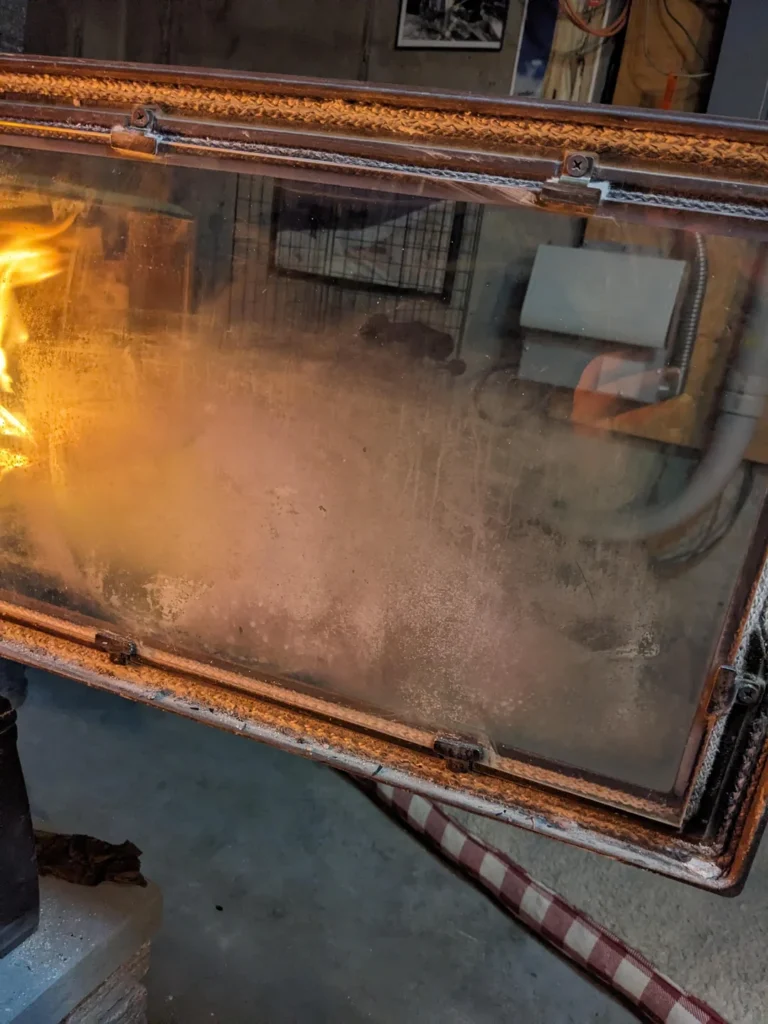
- Chimney Fires: When you burn wood and other fuels, you inevitably get creosote building up inside your flue. This stuff is seriously flammable and is a major cause of devastating chimney fires. Regular sweeping and testing help us spot and deal with this risk. Things like bird nests or other bits of rubbish can also block the airflow, making the fire risk even higher.
- Carbon Monoxide (CO) Poisoning: Fireplaces that aren’t looked after properly, or chimneys that are blocked, can be silent killers. Carbon monoxide (CO) is a gas you can’t see, smell, or taste, and it’s deadly. Our routine testing and maintenance make sure that smoke and other combustion gases get safely out of your home. If there are cracks in your flue liner or other structural damage, CO can sneak into your living areas, which is a grave threat. Yes, mandatory CO detectors are a crucial safeguard, but they’re not a substitute for a chimney that’s working correctly!
2. Boosting Performance: Better Heating, Fresher Air
Beyond immediate safety, a well-tested chimney also plays a big part in how well your heating system works and the overall atmosphere in your home:
- Heating Efficiency: When creosote, soot, or other debris build up, they really mess with the airflow. This makes it much harder for your fireplace to draw in fresh air and get rid of smoke, meaning your heating efficiency plummets. A clean, efficient chimney means less wasted energy and, yep, lower heating bills!
- Indoor Air Quality: A dirty or poorly maintained chimney can circulate soot, ash, and other combustion byproducts inside your home. This can really aggravate breathing issues, especially for people with asthma or allergies, and just make the air quality worse. Making sure you have proper airflow and effective venting is absolutely essential for a healthy indoor environment.
3. Protecting Your Property: Looking After Your Investment
Your chimney is a big part of your home’s structure. Regular testing helps keep it strong for years to come:
- Catching Problems Early: Our inspections spot minor issues, like small cracks in the brickwork or flue liners, before they turn into huge, expensive structural problems.
- Water Damage: Things like damaged flaunching (that’s the mortar on top of your chimney), leaky flashings, or porous brickwork can lead to damp patches, frost damage, and a gradual wearing away of your chimney stack.
- Avoiding Major Repairs: Spotting problems early can save you from needing massive, costly repairs, like having to rebuild whole sections of brickwork if your chimney is leaning badly or really distorted.
4. Meeting the Rules: Staying on the Right Side of UK Law
Complying with regulations isn’t an option; it’s a must when it comes to chimney maintenance and installation here in the UK:
- UK Building Regulations (Approved Document J): This is the main legal document for all new chimney installations and any big changes to existing ones. It covers everything from how to build the hearth to the chimney’s size, ventilation needs, and where to put those all-important carbon monoxide alarms. If you don’t stick to these rules, you could face hefty penalties and even problems with insurance claims.
- UKCA Marking: All chimney and flue products sold and used in the UK now need to carry the UKCA (UK Conformity Assessed) mark. This stamp shows they meet specific national standards and defines how they should perform. This replaced the old CE mark from January 2023.
- Competent Person Schemes: Groups like HETAS and APICS (Association of Professional Independent Chimney Sweeps) are vital. They make sure chimney sweeps and installers are properly qualified, can certify their own work, and inform local authorities, all to ensure high standards are met. And remember, if you have a gas appliance, you must use a Gas Safe registered engineer.
What Types of Chimney Tests Do We Do, and What Do They Tell Us?
Here at Home Sweep Home, we use a variety of specialist tests to get a really accurate picture of your chimney’s condition and how well it’s working.
1. Smoke Test I (Pressure Test): Finding Those Hidden Leaks
Often called a ‘pressure test’, this crucial check is all about your flue system’s integrity. Its main aim is to find any leaks or weak spots that could let smoke, and potentially dangerous combustion gases, escape into your home or even into neighbouring flues.
- When We Do It: This test is essential before we install a new appliance, when an old one is being brought back into use after a long break (especially if it’s been more than three years), or if you’ve noticed smoky smells in other rooms or your neighbours’ houses. It’s particularly important if we’re not putting in a new stainless steel liner.
- How We Do It: We seal off your flue at the fireplace opening and at the top of the chimney pot. Then, we introduce pressurised smoke. We then meticulously check your whole property – including lofts and the outside of your chimney stack – for any signs of smoke escaping. If we find any leaks, we’ll point them out and recommend the necessary repairs. A little wisp of smoke might not always mean a failure, as some flue types (like N1 under EN 1443) actually allow for a tiny bit of air leakage. It really takes a skilled professional to know the difference and decide if a repair is truly needed.
2. Smoke Test II (Smoke Evacuation Test): Checking Your Chimney’s “Draw”
This one, also known as a ‘smoke evacuation test’, helps us see how effectively your chimney pulls smoke upwards and confirms that the flue is clear of obstructions.
- When We Do It: We usually carry out this test as standard practice right after we’ve swept your chimney.
- How We Do It: First, we warm up the flue to get a natural draw going. Then, we light a smoke bomb or pellet at the bottom and watch how efficiently the smoke rises and exits the chimney pot without spilling back into your room. If the smoke isn’t evacuating properly or it’s blowing back, that tells us there’s a problem with the draw or a blockage.
3. Visual Inspections: The Starting Point for Every Assessment
A thorough visual inspection is always the very first step in any chimney assessment we do.
- What We Look For: We’re looking for obvious signs of damage, wear and tear, deterioration, or potential hazards, both on the outside and any accessible parts of your chimney and the appliances connected to it. This includes things like cracks in the brickwork, missing mortar, signs of water damage, and making sure the chimney is the right size for your appliance and that all connections are secure.
- Levels of Inspection:
- Level 1: This is a basic visual check for things like creosote build-up or nests, and it’s typically part of your routine annual chimney cleaning.
- Level 2: We do this if you’ve made big changes (like a new appliance, a different fuel, or structural alterations) or if we don’t have clear records of your chimney’s history. This includes our comprehensive smoke leakage and smoke pressure tests.
- Level 3: This is the most extensive and rare inspection. We usually only do it after a chimney fire, or for extremely old or hard-to-inspect chimneys, and it might even involve taking parts of the chimney apart to get a full view.
4. Advanced Diagnostic Methods: Getting Down to the Nitty-Gritty
Modern technology really helps us get a precise understanding of your chimney’s condition:
- Video Scanning (CCTV Flue Inspection):
- Why It’s Invaluable: This method gives us a detailed, internal view of your flue, revealing subtle cracks, corrosion, blockages, and checking the integrity of liner joints – things you just can’t see with the naked eye.
- How We Do It: We put high-resolution cameras (like the Wöhler VIS 500) into the flue. These cameras are often on flexible rods, allowing us to get footage and images of the entire interior, including those tricky corners. This footage is recorded and becomes a really important part of your inspection report. Video scanning is a key part of our Level 2 chimney inspections.
- Mechanical Pressure Testing:
- Why It’s So Good: Unlike the smoke test, which relies on us seeing smoke, mechanical pressure testing actually measures how airtight your flue is. It can pick up even the tiniest cracks or gaps.
- How We Do It: We use specialist machines (such as the Wöhler DP 600) to seal off the system and apply a controlled amount of pressure. This equipment precisely measures the total leakage rate and can even give you a printed report showing whether your flue meets the allowed leakage rates set by standards like EN 1443. This gives us a really precise, measurable, and certifiable assessment of how tight your flue is, which is crucial for meeting regulations and diagnosing faults in detail, especially when we’re concerned about carbon monoxide leaks.
5. New Technologies: The Future of Chimney Checks
Technology is constantly moving forward, and it’s making our chimney assessments even better:
- Drone Inspections: Drones fitted with high-definition 4K cameras and thermal imaging are a safer, more cost-effective, and quicker way to do external chimney inspections than using ladders or scaffolding. They can show us heat loss or moisture damage that you wouldn’t be able to see otherwise.
- Ultrasonic Testing: This advanced method uses high-frequency sound waves to detect internal cracks or damage within the chimney’s brickwork or liners, giving us a non-invasive way to check its structural integrity.
The Rules We Play By: UK Regulations and Standards
Everything we do at Home Sweep Home is strictly guided by UK regulations and standards. This ensures we deliver the highest levels of safety and quality for your chimney.
- Approved Document J (UK Building Regulations): This is the absolute cornerstone of the law for all new chimney installations and major changes to existing structures. It covers a huge range of requirements, from how your hearth should be built and your chimney’s dimensions, to ventilation needs and where those all-important carbon monoxide alarms must go.
- British and European Standards (BS EN): There’s a whole set of these standards that dictate everything about chimney products and systems. They ensure the safe use of chimneys no matter where they are or what they’re used for. For example, BS EN 1443:2003 covers general requirements, while BS EN 1856-1:2009 sets out requirements for metal chimneys. These standards also include vital guidance on design, installation, and commissioning (like BS EN 15287+A1:2010).
- UKCA Marking: This is a crucial mark for chimney and flue products. It defines how a product should perform and helps us classify the right flue for the job. Key things it tells us include the temperature rating, pressure rating (N for negative, P for positive, H for high positive, each with specific leakage rates), whether it’s resistant to condensation (wet or dry), corrosion resistance (depending on fuel type), and how resistant it is to soot fires.
- Competent Person Schemes:
- HETAS: This is a government-approved, non-profit organisation that approves biomass and solid fuel heating appliances, fuels, and services. They keep registers of competent installers, service engineers, and chimney sweeps, ensuring high standards and compliance. HETAS provides expert advice and training (like the H009S Sweeping Module) and informs local authorities about compliant installations, giving you a Certificate of Compliance. You can find our business page on the HETAS website here: Home Sweep Home Limited HETAS Profile.
- APICS (Association of Professional Independent Chimney Sweeps): APICS was set up to establish high standards for chimney sweeps, ensuring rigorous training and assessment. Our members pass a tough assessment and stick to a strict code of conduct, which includes having public liability insurance, keeping premises clean, thoroughly sweeping chimneys, telling you in writing about any problems, and advising on CO poisoning dangers.
- L3 NVQ in Chimney Inspections: This advanced qualification is a real benchmark for expertise in chimney inspections. It shows a deep understanding of how to inspect and design chimneys, ensuring the highest level of professional competence. Josh Firkins and the team at Home Sweep Home are always committed to ongoing training to meet and exceed these important industry benchmarks.
- Gas Safe Register: If you have a fireplace connected to a gas appliance, it’s absolutely vital to use a Gas Safe registered engineer. This ensures any work is done safely and legally, massively reducing the risk of lethal carbon monoxide poisoning.
What Happens After a Test? Understanding the Results and What We Do Next
The results of your chimney test tell us exactly what needs to be done. These remedial actions are key to getting your chimney safe, efficient, and compliant again.
Common Problems We Find Through Testing:
- Creosote Buildup: That highly flammable gunk from incomplete combustion, a major fire hazard.
- Blockages: Things like bird nests, bits of rubble, or collapsed sections that stop proper ventilation and create fire and smoke risks.
- Cracks and Deterioration: Damage to your chimney’s bricks, mortar joints, or flue liners, which can compromise its structure and let gases leak.
- Structural Issues: More serious problems like a leaning chimney or significant distortion that could pose a danger to your home.
- Water Damage: Things like damaged flaunching, faulty flashings, or porous brickwork leading to damp stains and material degradation.
What We Do Based on Test Results:
- Failed Smoke Test I (Integrity Test): If smoke escapes during this test, it means there’s a break in your flue’s integrity. Repairs are mandatory, especially if you’re not getting a new stainless steel liner. We’ll need to investigate thoroughly to find the exact leakage points – sometimes they can appear quite a distance from the actual fault! While a tiny wisp might be acceptable for some flue types (like N1), if we see strong plumes or large volumes of smoke, it’s a clear sign of a major fault, like a badly made connection or severely damaged section, and that needs immediate investigation and repair.
- Failed Smoke Test II (Evacuation Test): If the smoke isn’t going up properly, swirling around, or coming back into the room, it tells us there’s a poor draw or a backdraft issue. We’ll look for visible blockages (creosote, debris) and clear them, check the chimney liner for cracks, make sure your chimney cap is intact, and evaluate the chimney design to ensure it’s the right height and diameter. Sometimes, negative pressure in your house (from extractor fans, for example) can also be the culprit and might need sorting out.
- Video Inspection Showing Cracks/Damage: If our CCTV inspection reveals cracks, corrosion, or blockages, repairs are necessary. This could be anything from fixing minor cracks to a more extensive relining of the flue. If you’ve seen debris falling into your fireplace or new cracks appearing in your walls, that can also be a sign of flue damage.
- Failed Mechanical Pressure Test: If the measured leakage rates are higher than the permitted levels set by the relevant standards (like EN 1443), your flue system has failed. This usually means repairs are needed, often involving relining the chimney to make it gas-tight again.
Getting Things Right: Remedial Actions and Ongoing Maintenance
Dealing with identified issues needs professional help, and we always stick to best practices:
- Chimney Sweeping and Cleaning: Regular sweeping is absolutely fundamental for getting rid of creosote buildup, soot, and debris – these are the main culprits for fires and losing heating efficiency. How often you need it depends on what you burn and how much you use it (e.g., quarterly for wood, annually for smokeless fuel).
- Chimney Relining: If your existing flue is damaged or just not right for your appliance, relining is often the best solution. You’ve got a few options:
- Flexible Stainless Steel Liners: These are common for existing masonry chimneys and come in different grades depending on your fuel.
- Pumice or Ceramic Liners: Durable options often used in new builds or big existing chimneys.
- Furanflex (Thermosetting Resin Liners): A flexible resin tube that’s inserted and then cured in place, forming a rigid, corrosion-resistant liner that fits your flue’s exact shape.
- Twin Wall Insulated Systems: Rigid, factory-made chimneys with internal insulation, perfect for new installations where there isn’t an existing masonry chimney.
- Repointing and Structural Repair: If your mortar joints are falling apart, bricks are loose, or you have spalling brickwork (flaking surfaces), we’ll need to repoint – that’s taking out the old mortar and putting in fresh material. For more serious damage, like leaning chimneys or extensive deterioration, we might need to partially or completely rebuild sections. And we always replace faulty lead flashings where your chimney meets the roof to stop water getting in.
- Blockage Removal: Our professional chimney sweeps are equipped to clear blockages caused by soot, nests, or structural debris. For really stubborn blockages, we might use a ‘core ball’ to break them up.
- Ventilation Improvement: If you have disused flues, we’ll cap them with vented hoods or mushroom pots to stop rain getting in while still allowing air circulation to prevent damp and condensation. Making sure your active appliances have enough combustion air is also crucial for them to work safely and efficiently.
It’s super important to get professionals to handle these repairs. There are inherent safety risks involved with working at height, dealing with structural masonry, and making sure everything meets the complex building regulations. Trying to do DIY repairs can easily lead to incorrect methods, breaking the rules, and putting your home’s fire safety at risk.
Count on Home Sweep Home for Your Chimney Testing
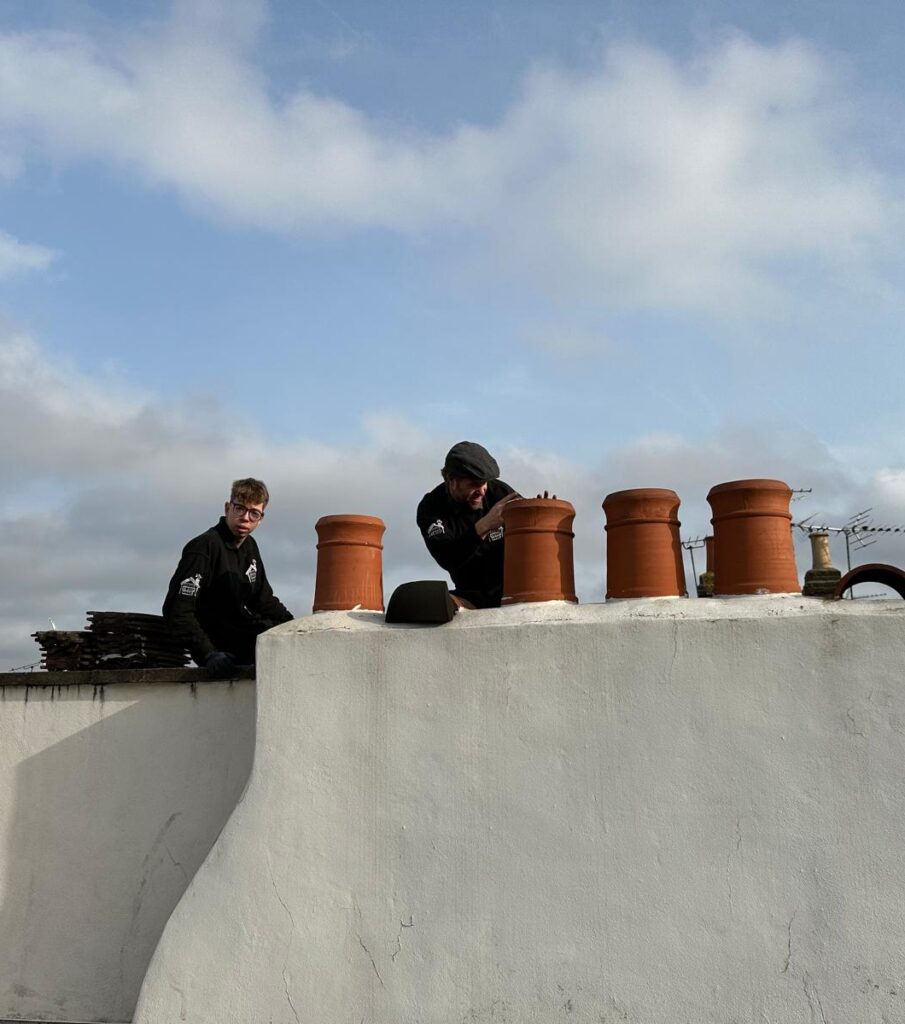
Here at Home Sweep Home, with Josh Firkins leading the way, we combine years of traditional sweeping know-how with the latest diagnostic technology. We’re always committed to training, including reaching those high benchmarks like the L3 NVQ in Chimney Inspections. This means we offer the most thorough and reliable chimney testing services right here in the UK.
Don’t wait for a problem to appear. Proactive chimney testing isn’t just a service; it’s an investment in the safety, efficiency, and long-term health of your home.
Ready to make sure your chimney is working safely and efficiently? Get in touch with Home Sweep Home today to book your comprehensive chimney test!